
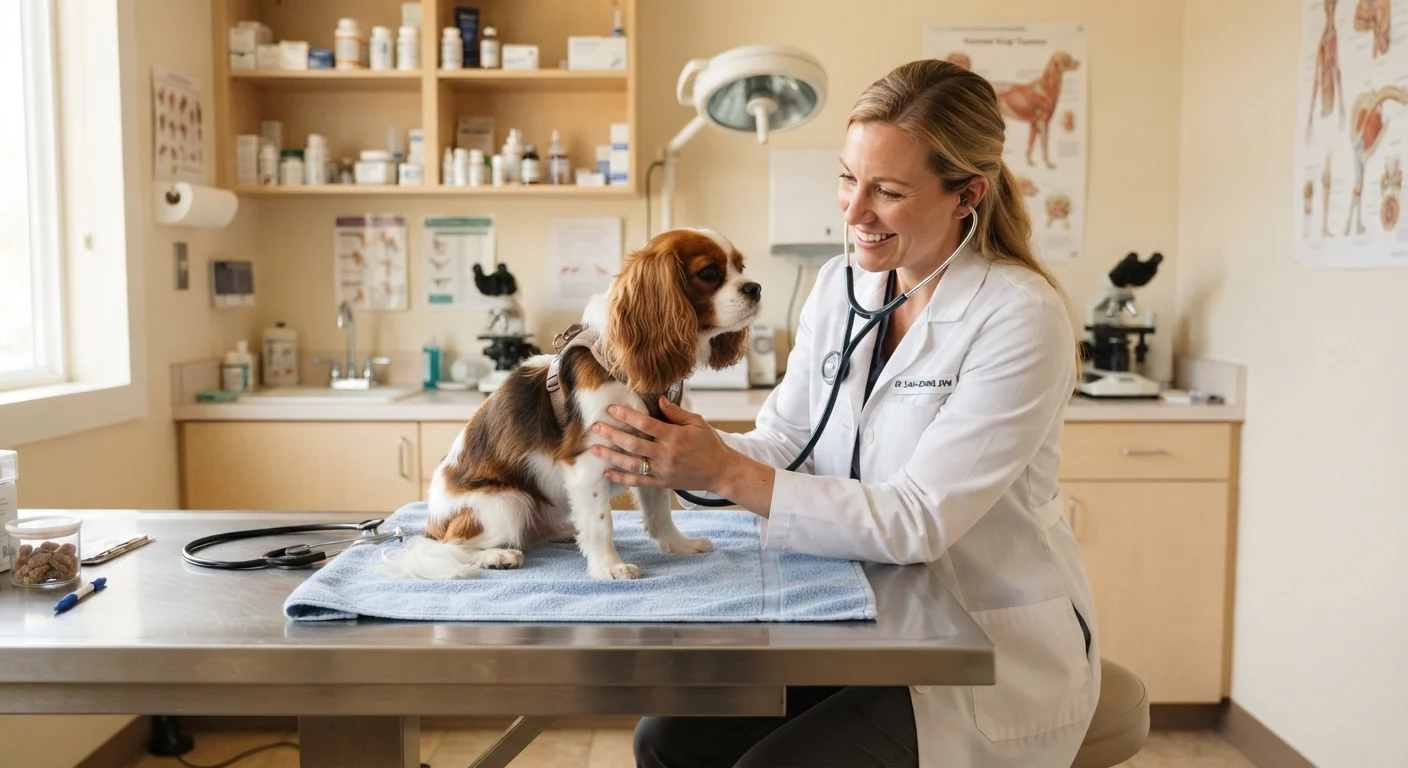
The real math behind skipping annual checkups
Many pet owners skip routine wellness visits to save money in the short term. The logic seems sound: if the animal appears healthy, why pay for a vet appointment? The problem is that pets cannot describe symptoms, and several serious conditions produce no visible signs until they are well advanced.
A routine physical exam typically costs between $50 and $100 at a general practice, depending on location. A single emergency visit for a condition that a wellness exam might have caught early can run several hundred to several thousand dollars. Dental disease caught at an annual cleaning costs a fraction of what extraction and infection treatment runs. Bloodwork that flags early kidney disease allows dietary management; late-stage kidney disease often requires hospitalization, fluids, and ongoing specialist care.
Preventive costs are also predictable, which matters for family budgeting. You can plan for an annual visit. You cannot plan for a 2 a.m. emergency clinic visit. See our guide to essential pet care costs for a full breakdown of where spending is necessary versus where it can be trimmed.
Skipping annual wellness exams when a pet seems healthy.
Why it happens: Owners assume no visible symptoms means no problem, and they want to avoid the expense of a visit they see as unnecessary.
Delaying dental cleanings until teeth are visibly damaged.
Why it happens: Dental care feels optional, and the upfront cost of a professional cleaning under anesthesia can seem steep when no pain is apparent.
Stopping parasite prevention during winter months or budget crunches.
Why it happens: Flea, tick, and heartworm prevention is a recurring monthly cost, and owners assume cold weather eliminates the risk.
Waiting until a pet is in obvious distress before seeking care.
Why it happens: Owners hope symptoms will resolve on their own, or they want to avoid a bill if the problem turns out to be minor.
Choosing food based on marketing rather than nutritional guidance.
Why it happens: Pet food labels use terms like 'natural,' 'grain-free,' and 'ancestral diet' that imply health benefits without clinical backing. Owners pay premium prices for formulas that may not suit their pet.
Waiting to get pet insurance until after a diagnosis is made.
Why it happens: Insurance feels unnecessary until something goes wrong, at which point pre-existing conditions are excluded from most policies.
Mistakes that quietly inflate your pet's lifetime care costs
The following patterns come up repeatedly in veterinary practice. Each one feels like a reasonable decision at the time, but tends to generate larger bills down the road.
$1,000-$5,000+
Typical emergency vet visit cost range
Emergency and specialty veterinary care costs have risen substantially, with complex cases easily reaching five figures according to veterinary industry cost surveys.
80%
Dogs with dental disease by age 3
The American Veterinary Medical Association notes that most dogs show signs of periodontal disease by age three, making early dental care a cost-prevention measure.
$1,000-$1,500
Average cost of heartworm treatment per dog
The American Heartworm Society estimates treatment costs in this range, compared to roughly $35-$80 per year for preventive medication.
If cost is the main barrier, affordable options exist. Low-cost veterinary resources for American pet owners covers nonprofit clinics, humane society programs, and veterinary school practices that charge significantly less than private clinics for routine care.
Annual wellness planning does not have to be complicated. The annual pet care readiness checklist for families lays out a month-by-month framework covering vaccines, dental care, parasite prevention, and safety checks.
This article provides general information for educational purposes and is not a substitute for professional veterinary advice. Always consult a licensed veterinarian regarding your pet's specific health needs.