Why pet food myths cost you money
Pet food marketing is saturated with language designed to appeal to how owners feel about their animals, not what animals actually need. Words like "natural," "holistic," "ancestral," and "human-grade" carry no standardized regulatory meaning in pet food labeling, yet they reliably push prices up. Understanding what science does and does not support lets you make food decisions based on your pet's actual biology rather than packaging cues.
The Association of American Feed Control Officials (AAFCO) sets the nutritional standards that govern whether a pet food is complete and balanced. A food carrying an AAFCO statement has been formulated to meet established nutrient profiles or tested through feeding trials. That statement, not the marketing copy on the front of the bag, is the most meaningful signal of nutritional adequacy. For a broader look at where pet spending is genuinely necessary, see what you actually need to spend on pet care.
Myths and facts about pet nutrition
The following pairs address the most financially consequential misconceptions circulating among pet owners. Each myth has driven consumers toward pricier products; the facts put those purchases in clearer context.
Myth
Grain-free pet food is healthier for all dogs and cats.
Fact
Grain-free diets are appropriate only for animals with a confirmed grain sensitivity, which is relatively uncommon. For most pets, grains are a digestible, affordable energy source.
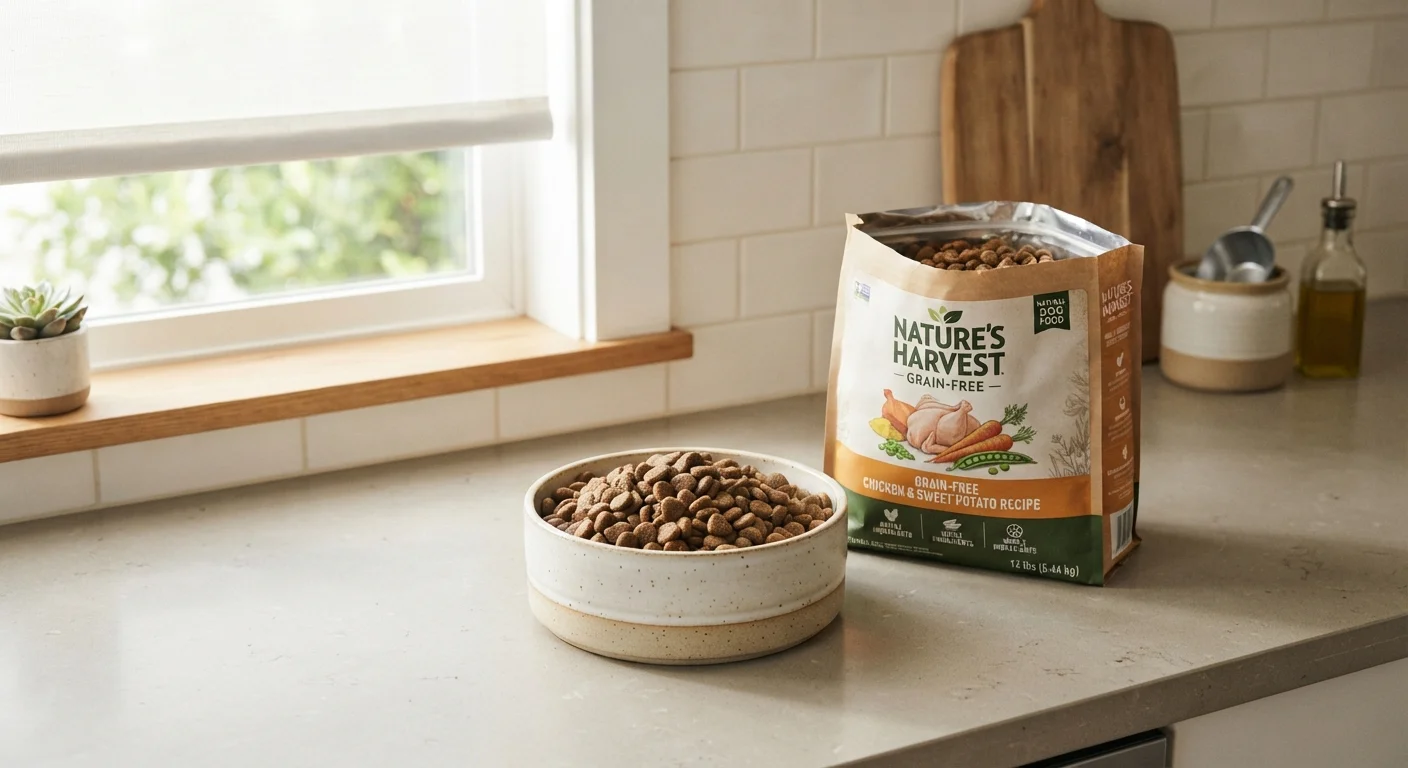
The popularity of grain-free foods tracks the rise of grain-free eating among humans, not veterinary evidence. Grains such as rice, oats, and barley are well-tolerated by the majority of dogs and cats. Since 2018, the U.S. Food and Drug Administration has been investigating a potential link between grain-free, legume-heavy diets and dilated cardiomyopathy (DCM) in dogs. That investigation is ongoing and causation has not been established, but the concern is taken seriously by veterinary cardiologists. Paying a premium for grain-free food without a clinical reason to do so adds cost without a documented benefit.
Myth
Raw diets are more natural and therefore safer and more nutritious than processed food.
Fact
Raw diets carry documented food safety risks including bacterial contamination, and most veterinary organizations do not recommend them for healthy pets or households with young children, elderly individuals, or immunocompromised people.
The American Veterinary Medical Association (AVMA) has a formal policy discouraging raw or undercooked animal-source proteins in pet food because of the risk of pathogens such as Salmonella and Listeria, which can spread to humans who handle the food or contact the pet. Raw diets are also frequently nutritionally unbalanced unless carefully formulated, which generally requires professional guidance and adds cost. The premise that processing destroys nutrition is not consistently supported: commercial cooking can preserve or even improve bioavailability of some nutrients.
Myth
More expensive pet food always delivers better nutrition.
Fact
Price reflects ingredients, sourcing, and marketing spend. A moderately priced food with an AAFCO complete-and-balanced statement can fully meet a healthy pet's nutritional needs.
Premium positioning in pet food is partly a function of marketing rather than nutritional superiority. AAFCO-compliant foods across a range of price points have been formulated or tested to meet the same nutrient profiles. The nutritional adequacy statement on the label, not the price, is the meaningful indicator. Spending more makes sense when a veterinarian recommends a specific therapeutic formula, not as a general rule.
Myth
Homemade pet food is always a healthier and cheaper alternative to commercial food.
Fact
Homemade diets are frequently nutritionally incomplete unless formulated by a board-certified veterinary nutritionist, and ingredient costs often exceed those of quality commercial food.
Dogs and cats have specific requirements for vitamins, minerals, and amino acids that are difficult to meet consistently through home cooking without professional formulation. A study published in the Journal of Nutritional Science found that the majority of home-prepared dog food recipes available online did not meet established nutrient requirements. When the cost of appropriate ingredients and supplements is calculated honestly, homemade food is rarely cheaper than a comparable commercial option. If a homemade diet is something you want to pursue, a consultation with a veterinary nutritionist is the responsible starting point.
Myth
Cats and dogs have similar nutritional needs, so food formulated for one can substitute for the other.
Fact
Cats are obligate carnivores with specific amino acid and vitamin requirements that differ substantially from those of dogs. Feeding cat food to dogs or dog food to cats on a sustained basis can cause nutritional deficiencies.
Cats require taurine, arachidonic acid, and preformed vitamin A from animal sources because they cannot synthesize adequate amounts from plant precursors. Dog food does not reliably supply these nutrients at levels cats need. Cats fed dog food over time can develop serious health problems including heart disease from taurine deficiency. Conversely, cat food is too high in protein and fat for many dogs and can contribute to weight gain or digestive upset. Species-appropriate food is not a marketing distinction; it reflects real biological differences.
Reading labels instead of believing claims
The ingredient list on pet food is ordered by weight before cooking. This means that a named meat appearing first does not guarantee the food is primarily protein after moisture is removed. A food with "chicken" as the first ingredient may contain less total protein than one listing "chicken meal," because meal is already dry and concentrated.
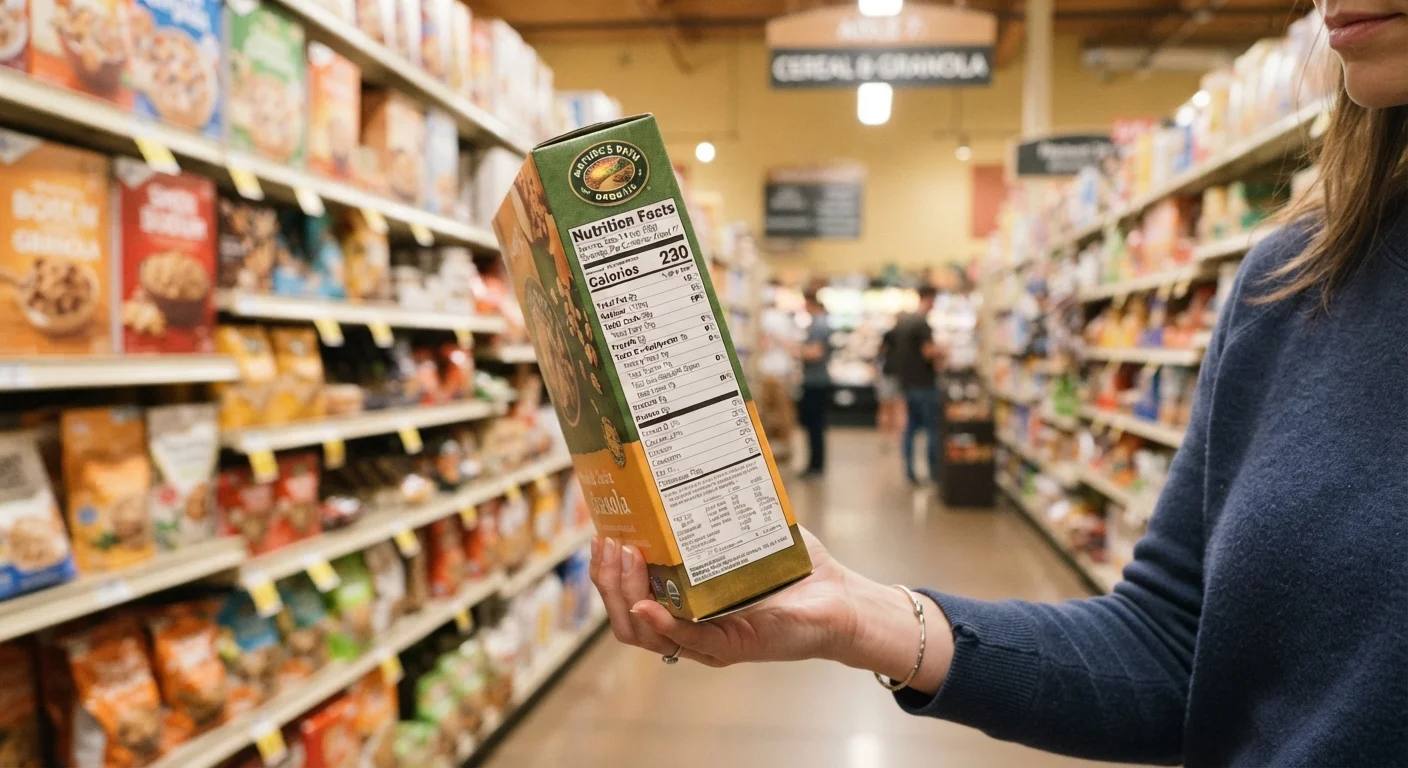
Front-panel claims such as "premium," "ultra," and "artisan" have no AAFCO definition and no regulatory weight. The back panel is where useful information lives: the guaranteed analysis, the AAFCO nutritional adequacy statement, and the manufacturer's contact information. If you want to apply similar label-reading discipline to food your family eats, decoding nutrition labels applies many of the same principles.
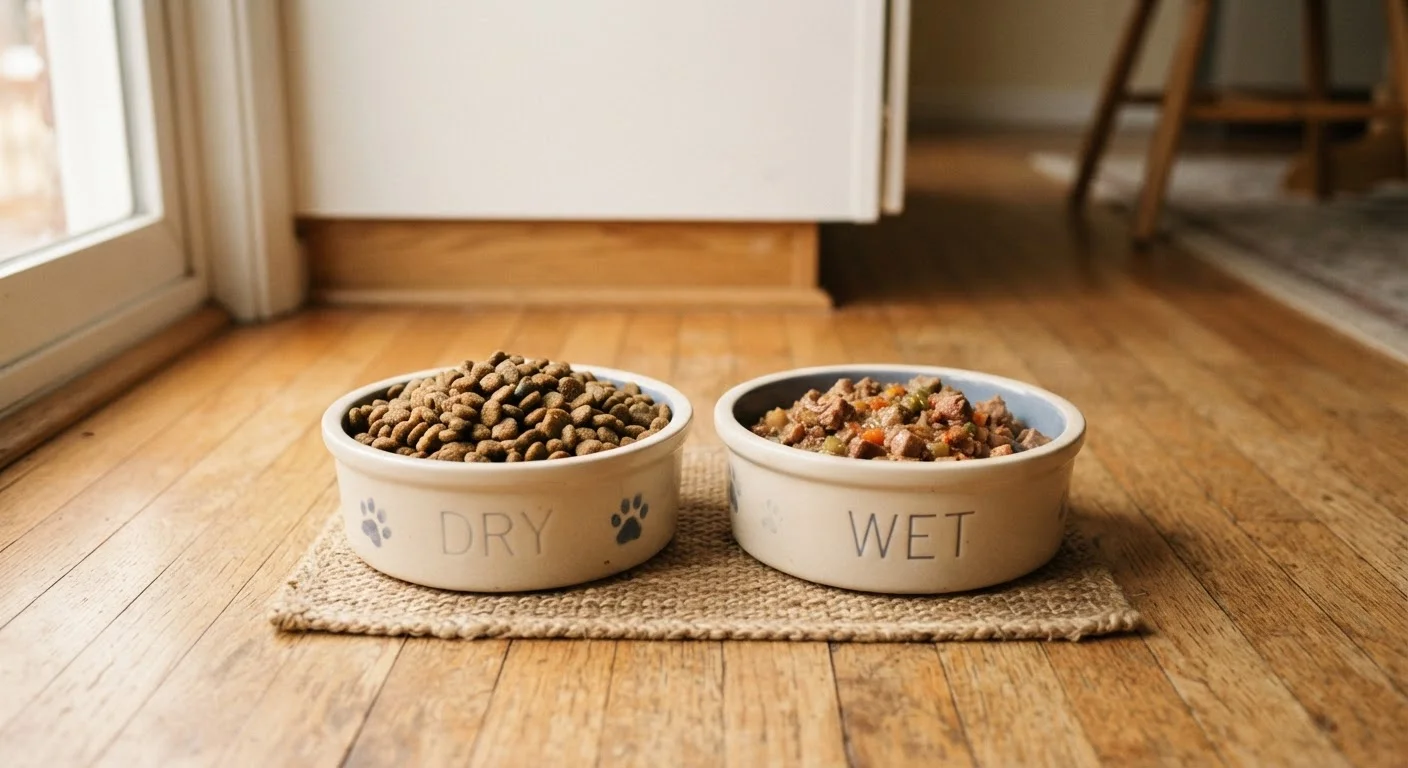
Comparing cost per day, not cost per bag, is a more accurate way to assess value. A larger bag of a moderately priced food often costs less per serving than a smaller bag of a premium product formulated to the same standard. dry food vs. wet food costs and nutrition covers this calculation in more detail.
When to talk to a veterinarian
No general article can substitute for a veterinarian's assessment of an individual animal. If your pet has persistent digestive problems, a skin condition, weight issues, or a chronic diagnosis, nutrition may well be part of the conversation. A vet can order allergy testing, recommend a therapeutic diet, or confirm that the food you are already buying is appropriate.
Therapeutic or prescription diets sometimes cost significantly more than standard foods, but switching to one without professional guidance can cause harm or simply waste money on a product your pet does not need. Conversely, if your vet confirms that a mid-range food with an AAFCO complete-and-balanced statement meets your pet's needs, there is no evidence-based reason to spend more. For help managing vet costs, low-cost veterinary resources for American pet owners lists accessible options across the country.
This article is for informational purposes only and is not veterinary or medical advice. Consult a licensed veterinarian for guidance specific to your pet's health and dietary needs.