What each approach actually involves
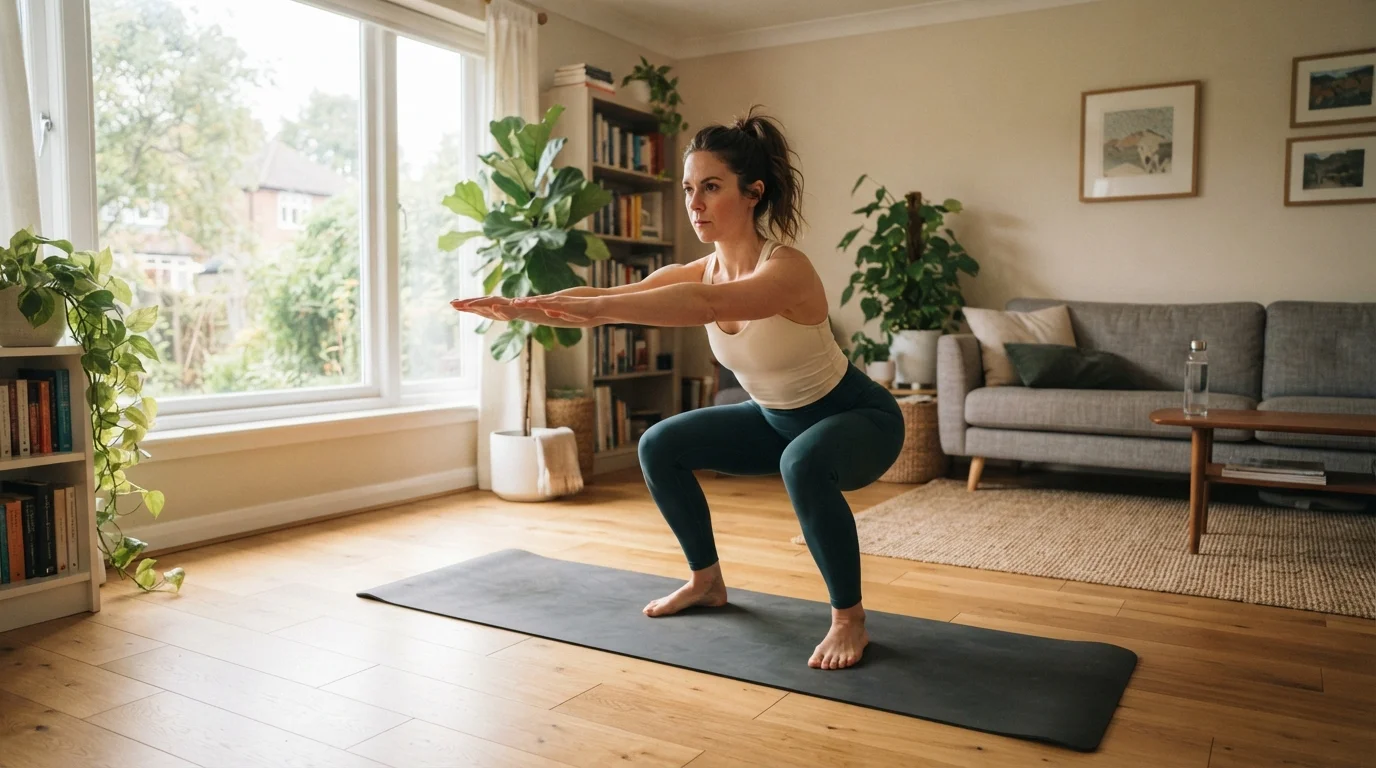
Bodyweight training uses the resistance of your own body to create the mechanical load that drives fitness adaptations. Push-ups, pull-ups, squats, lunges, dips, and plank variations are all bodyweight movements. No purchase is required, and the workout location can be a living room, a park, or a hotel room.
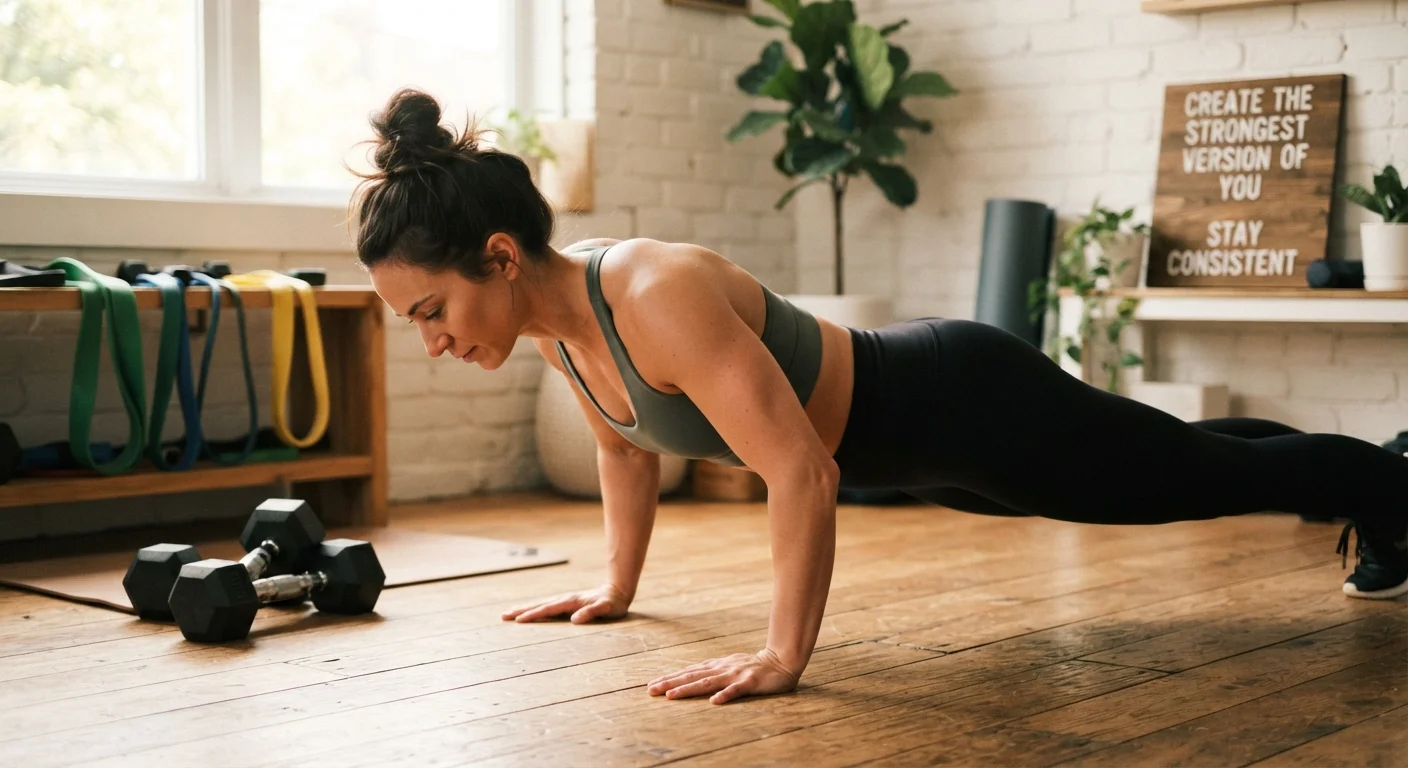
Equipment-based exercise adds external load through free weights (dumbbells, barbells, kettlebells), resistance bands, or machines. The external load can be measured precisely and changed in small increments, which is the foundation of progressive overload, the principle that muscles adapt when workload increases gradually over time.
Both approaches engage the muscular, cardiovascular, and neuromuscular systems. The main mechanical difference is how load is applied and adjusted.
Comparing the two side by side
The table below contrasts the two approaches across the criteria most relevant to a family looking for sustainable, affordable fitness habits.
| Criterion | Bodyweight training | Equipment-based exercise |
|---|---|---|
| Cost | Free | Low to high (bands to machines) |
| Location flexibility | Anywhere | Home gym or facility needed |
| Progressive overload | Limited, relies on variations | Precise, measurable increments |
| Muscle growth potential | Moderate | High with proper programming |
| Beginner accessibility | High | Moderate (technique learning curve) |
| Family scalability | High, adapts to all ages | Moderate, needs multiple load options |
| Injury rehabilitation use | Limited control of load | Better with bands or light weights |
Fitness outcomes: what the evidence shows
Research published in exercise science journals consistently shows that resistance training, whether bodyweight or weighted, produces improvements in muscle strength, bone density, and metabolic health when performed regularly. The American College of Sports Medicine recommends adults perform muscle-strengthening activity at least two days per week, and both methods can satisfy that guidance.
Where equipment has a measurable edge is in hypertrophy (muscle growth). Adding progressive external load beyond what bodyweight can provide is the most reliable way to continue stimulating muscle growth after initial adaptations occur. A person who has mastered the push-up will eventually need weighted resistance or a harder variation to keep progressing.
Bodyweight training has its own advantage in functional movement patterns. Exercises like the squat and lunge mirror everyday movements, and performing them without equipment trains balance and coordination alongside strength. For cardiovascular fitness, bodyweight circuits can raise heart rate as effectively as many machine-based cardio workouts. See what the research says about walking for context on how low-equipment cardio stacks up against common benchmarks.
Cost, access, and practicality for families
For many American families, cost is the deciding factor. A gym membership can run $30 to $80 per month per adult. A basic set of dumbbells purchased once can last years, but still represents an upfront cost. Bodyweight training has no financial barrier.
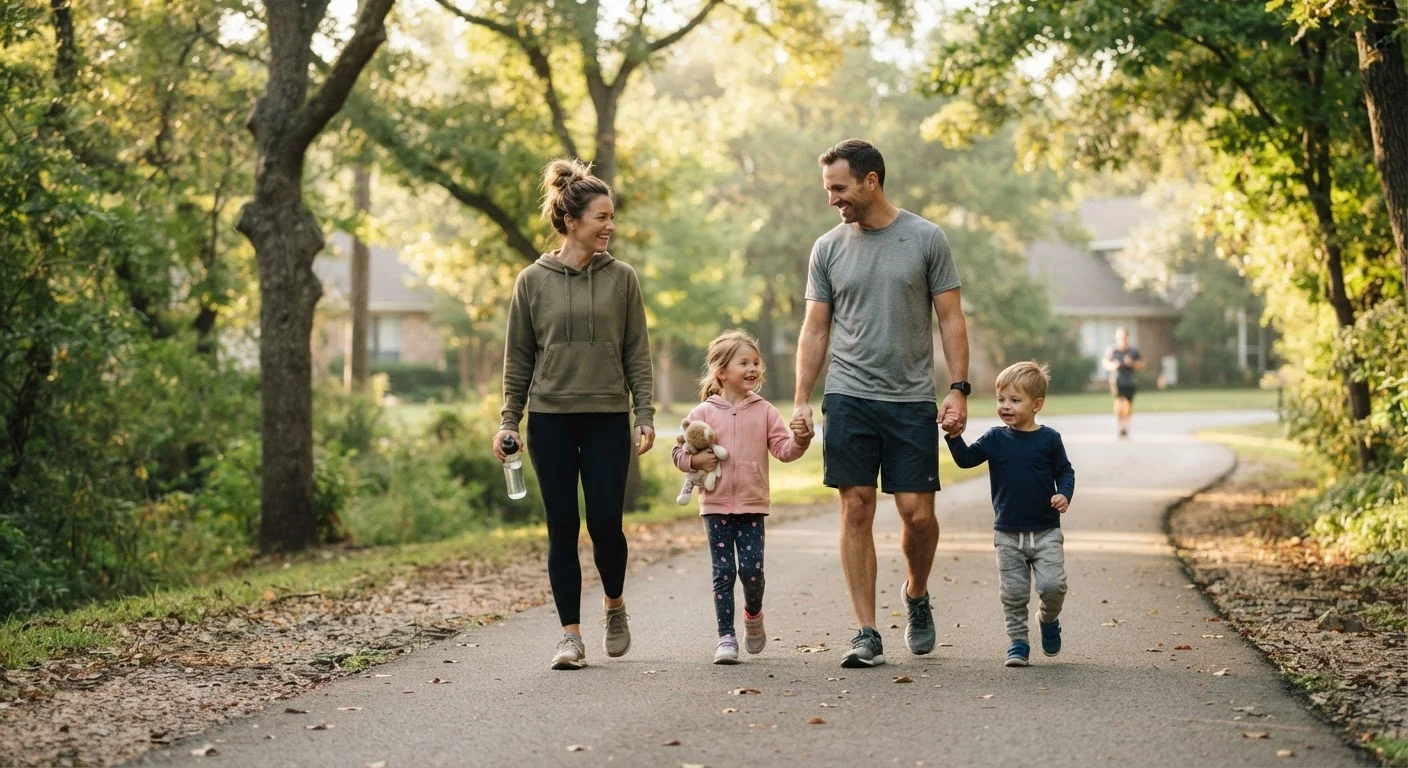
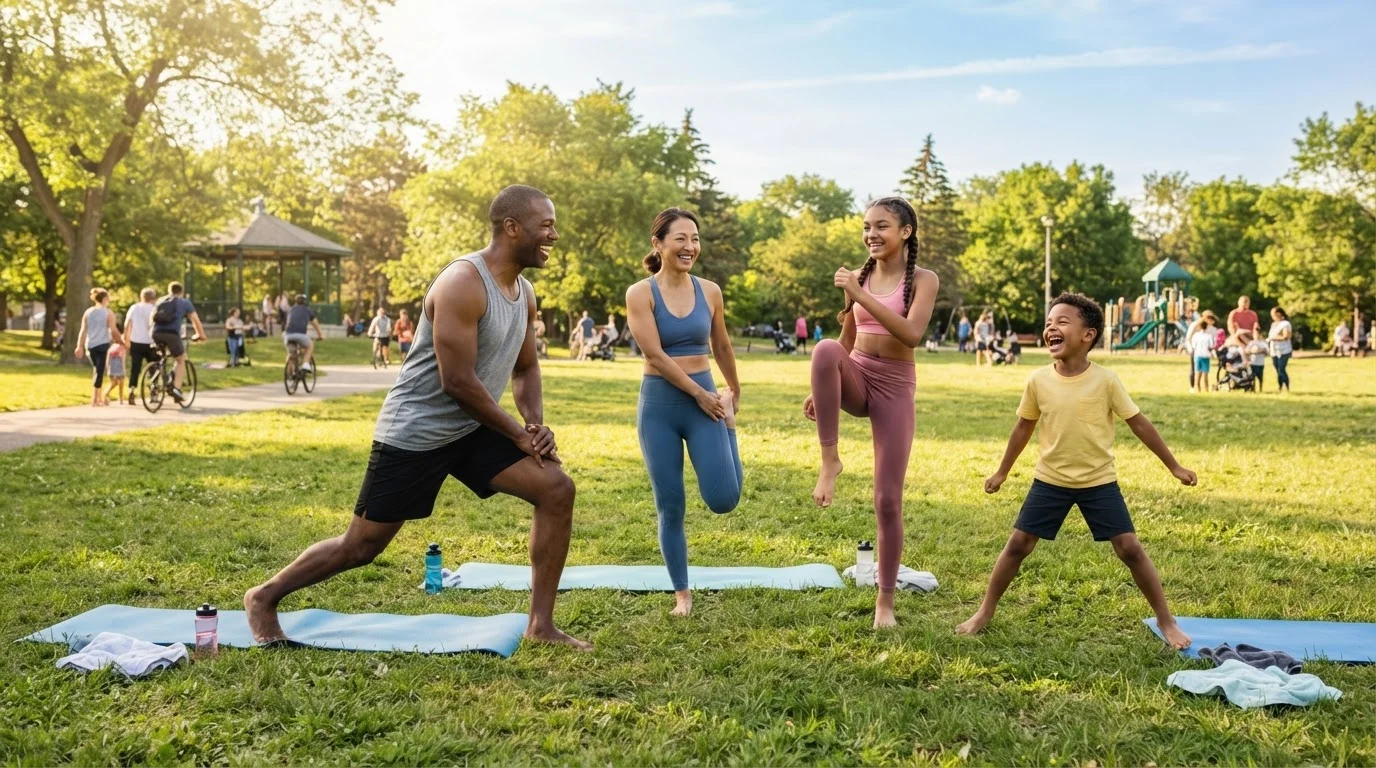
Practicality also matters. Parents with young children often cannot leave home for a workout. A bodyweight routine done in the living room while children play nearby is realistic; driving to a gym is not always possible. Family fitness without a gym membership covers this in more detail, including outdoor and community options that cost nothing.
One practical risk with home training of either kind is poor form and inconsistent scheduling. Common home workout pitfalls are worth reviewing before starting any home-based program.
This article is for general informational and educational purposes only and is not medical or exercise advice. Consult a qualified healthcare professional or certified fitness trainer before starting a new exercise program, especially if you have existing health conditions or are returning from injury.