What CPO actually means
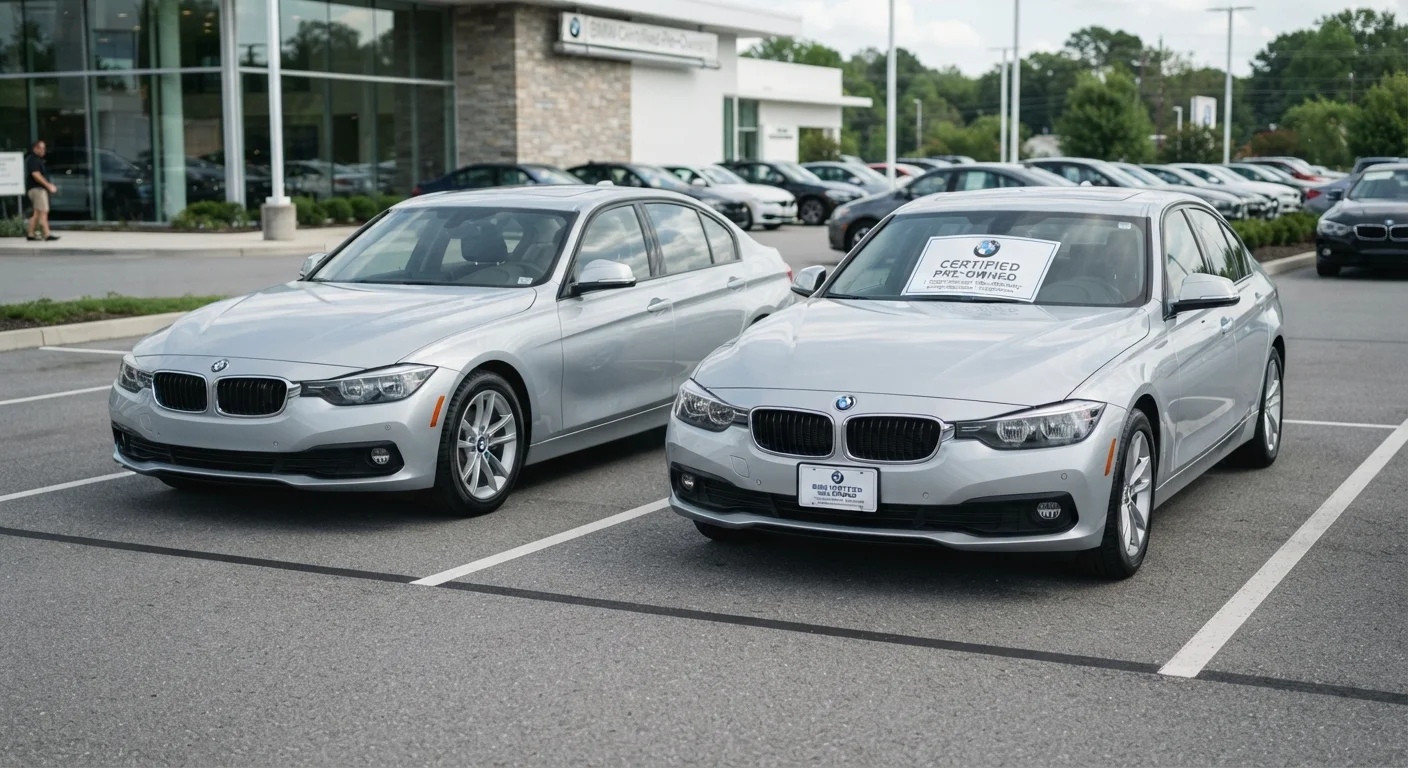
Certified pre-owned is not a universal standard. Each manufacturer runs its own program with its own rules about vehicle age, mileage limits, inspection criteria, and warranty terms. A CPO vehicle from one automaker may carry a 7-year powertrain warranty; another brand's program may cover only 12 months. The word "certified" signals that a vehicle has met a defined threshold, but that threshold changes depending on who set it.
Most manufacturer CPO programs require a vehicle to pass an inspection covering 100 to 200 checkpoints, though the specific items vary. Engines, transmissions, brakes, tires, and safety systems are typically included. Cosmetic standards also apply: significant body damage or interior wear can disqualify a vehicle. Once certified, the car usually comes with a limited powertrain warranty and sometimes a bumper-to-bumper component, plus roadside assistance for a set period.
Dealer-certified programs also exist, separate from manufacturer programs. These tend to carry less rigorous standards and warranties than manufacturer CPO, so it is worth asking specifically whether a vehicle is manufacturer-certified or dealer-certified before drawing any conclusions about coverage.
| Criterion | Certified Pre-Owned | Standard Used |
|---|---|---|
| Inspection requirement | Multi-point inspection required | No mandatory inspection |
| Warranty coverage | Included (varies by program) | None unless added separately |
| Upfront price | Higher (premium for certification) | Lower overall |
| Vehicle age/mileage limits | Usually under 6 years / 80k miles | No restrictions |
| Roadside assistance | Often included | Not included |
| Program oversight | Manufacturer or dealer program | No program oversight |
| Buyer verification burden | Lower (inspection done for buyer) | Higher (buyer must verify) |
What standard used means in practice
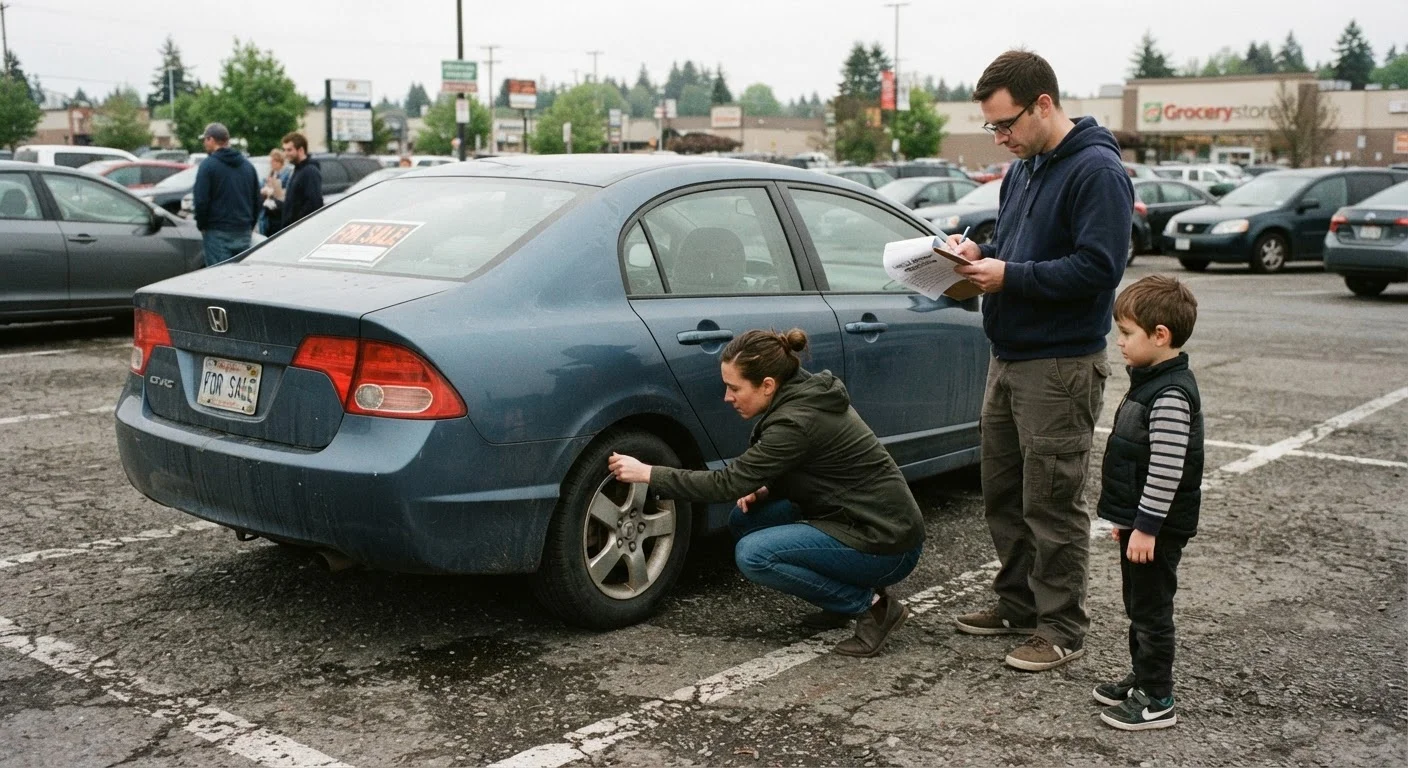
A standard used vehicle has no required inspection before sale. It may have a clean vehicle history report, or it may not. The seller could be a franchised dealer, an independent lot, or a private party. The condition of the vehicle, the transparency of its history, and the presence of any warranty all depend entirely on the seller's practices and the buyer's due diligence.
That does not mean a standard used vehicle is a bad purchase. Many are well-maintained, properly priced, and trouble-free for years. The difference is that none of those qualities are guaranteed by the transaction itself. A buyer carries more of the verification burden. The pre-purchase inspection checklist for a used family car covers what to look for mechanically, cosmetically, and in the paperwork before any money changes hands.
A private-party used vehicle often carries the lowest price of all but comes with the fewest protections. Dealer-sold used vehicles sometimes include a short limited warranty or "as-is" disclosure, and state lemon law protections vary for used vehicles. Confirming what applies in your state before signing is a reasonable step.
Where the cost difference comes from
CPO vehicles cost more than comparable standard used vehicles. The premium reflects the inspection labor, any reconditioning work done to meet program standards, and the cost of the warranty coverage that transfers to the buyer. That premium commonly runs from a few hundred dollars on lower-priced vehicles to several thousand on luxury segments, though exact figures depend on the vehicle, market conditions, and location.
Whether that premium is worth paying depends on what the warranty actually covers and for how long. A CPO vehicle still under the original factory bumper-to-bumper period gives a buyer meaningful overlap in coverage. One that is near the tail end of CPO powertrain coverage provides less. Reading the specific warranty document, not just the marketing description, tells the buyer what is actually included and what is excluded.
100-200
Inspection checkpoints in typical CPO programs
The number of items reviewed varies by manufacturer, with some programs inspecting fewer points than others.
~80,000
Mileage ceiling for most manufacturer CPO eligibility
Many manufacturer programs disqualify vehicles above this threshold, though exact limits differ by brand.
5-6 years
Typical maximum vehicle age for CPO qualification
Most manufacturer programs restrict CPO designation to relatively recent model years, keeping inventory newer on average.
Buyers considering standard used vehicles can partly close the coverage gap with a third-party extended service contract, though those products vary considerably in reliability and exclusion clauses. The step-by-step used car buying guide walks through how to evaluate those options alongside the broader purchase process.
Practical factors to weigh before choosing
Vehicle age and mileage are the first filters. Manufacturer CPO programs typically cap eligibility at five to six years old and somewhere around 60,000 to 80,000 miles. If a vehicle you are considering falls outside those limits, CPO is not a realistic option regardless of price.
Your mechanical confidence matters too. A buyer who will hire an independent mechanic before purchase and is comfortable managing potential repairs has more tools to evaluate a standard used vehicle than someone who needs the inspection work done for them. Neither approach is wrong; they suit different situations.
Financing terms can also differ. Some manufacturers offer lower interest rates on CPO vehicles than on standard used vehicles through their captive finance arms. Comparing the total cost across the loan term, not just the sticker price, gives a more complete picture. For families weighing all forms of vehicle acquisition, the overview of car leasing covers how purchase and lease terms compare structurally.
A vehicle history report is worth obtaining for any used purchase, CPO or not. CPO status does not erase prior accidents or title issues from a vehicle's record; it means the vehicle met the program's standards at the time of inspection.