
The vehicle itself is a major pricing variable
Many drivers assume their premium is almost entirely a function of their driving record. The vehicle being insured carries nearly as much weight. Insurers look at the cost to repair or replace the car, the availability of parts, historical theft rates for that model, and the injury outcomes associated with collisions involving that vehicle type.
A family SUV with widely available parts and a strong safety rating typically costs less to insure than a performance sedan whose components are expensive and scarce. The vehicle identification number (VIN) lets insurers pull that model's actual loss history, meaning aggregate data from every insured claim on that model influences what you pay. A neighbor driving an older economy car may simply own a vehicle that has a cheaper claims profile, regardless of who is the safer driver.
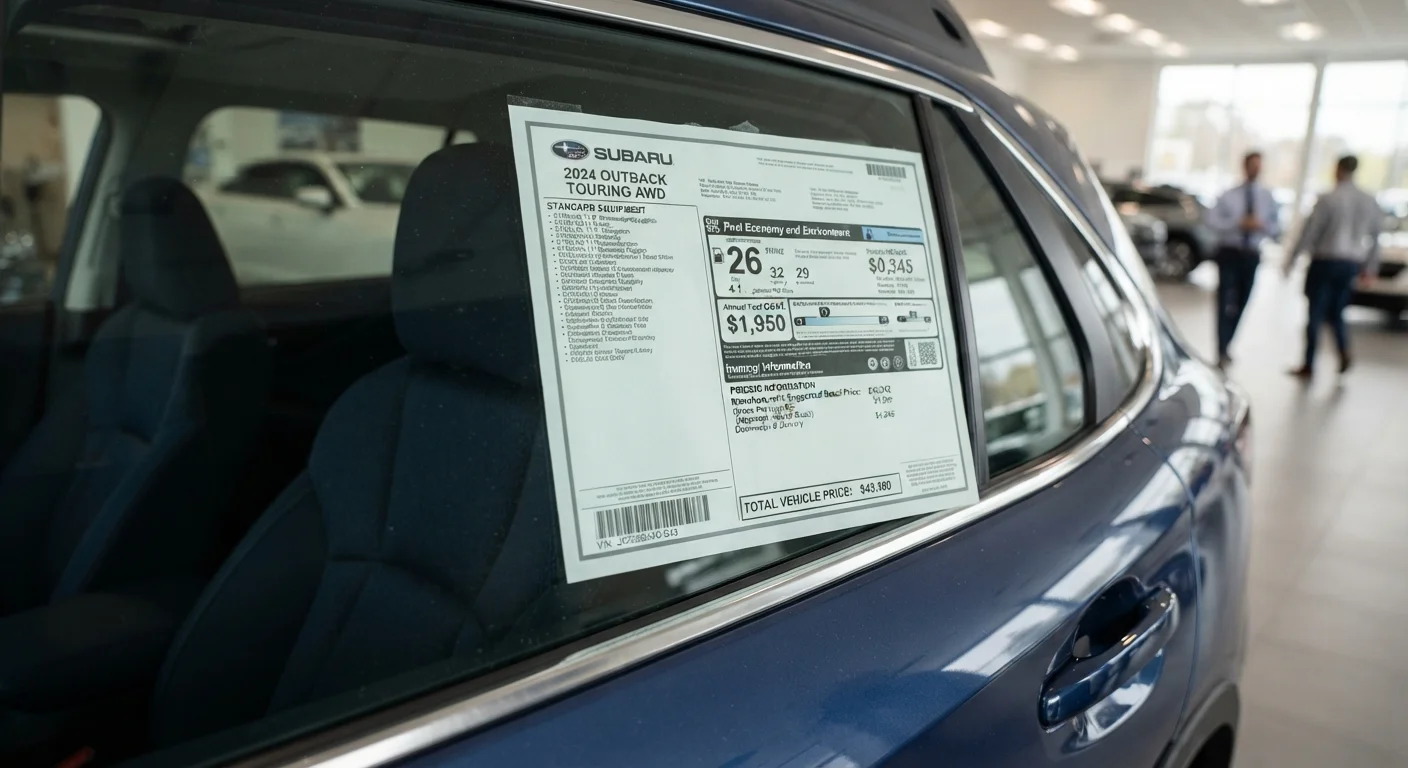
For a fuller picture of what a vehicle truly costs to own, including insurance considerations, see what the window sticker tells you about a car's true cost.
Check your vehicle's loss history before buying
Before purchasing a vehicle, ask your insurer for a rate estimate using the specific VIN or at least the make, model, trim, and year. Theft rates, repair costs, and injury outcomes for that model will already be factored in. This takes about ten minutes and can prevent a premium surprise after the purchase is final.
Geography shapes rates in ways drivers rarely see
Insurers divide coverage territories by ZIP code or sometimes by smaller geographic units. Each territory has its own claims history for theft, weather events, traffic density, and litigation frequency. A household one town over can fall into a lower-risk territory even though the daily commute is nearly identical.
Urban ZIP codes generally produce higher premiums than rural ones because traffic density increases collision frequency. Coastal regions face higher comprehensive claims from hurricanes and flooding. Areas with elevated vehicle theft rates push premiums up for all drivers in that territory, not just those who have experienced theft. If you moved recently and did not update your insurer with an accurate garaging address, you may be rated for the wrong territory entirely.
~$2,150
Average annual U.S. auto insurance premium
According to the Insurance Information Institute, the average annual auto insurance expenditure per insured vehicle has risen steadily in recent years, with the national figure crossing this threshold.
45 states
States permitting credit-based insurance scoring
The majority of U.S. states allow insurers to use credit-based insurance scores as a rating factor; a small number restrict or ban the practice.
Up to 3x
Premium difference for teen vs. adult drivers
Insurance industry data consistently shows that adding a teenage driver to a policy can multiply the household premium by a factor of two to three compared to an adult-only policy on the same vehicle.
Credit-based insurance scores and other personal factors
In most states, insurers calculate a credit-based insurance score using information from your credit file. This score is distinct from a standard credit score and weighs factors such as payment history and outstanding balances specifically to predict the likelihood of filing a claim. The Federal Trade Commission has published research finding a statistical correlation between these scores and claims frequency, which is why regulators in most states allow the practice. A small number of states prohibit or restrict it.
Other personal factors include your age, the number of years you have held a license, your annual mileage, and how many drivers are on the policy. A teenager added to a family policy dramatically increases the household's average risk profile. A driver who has accumulated speeding violations within the past three to five years will see those incidents priced into the premium until they age off the record.
Coverage choices and deductibles
Two neighbors could insure identical vehicles in the same ZIP code and still pay different premiums because they chose different coverage structures. Comprehensive and collision coverage add cost; dropping them on an older vehicle with low market value is a common way families reduce premiums. The deductible level on those coverages matters as well: a $1,000 deductible produces a lower premium than a $250 deductible on the same policy.
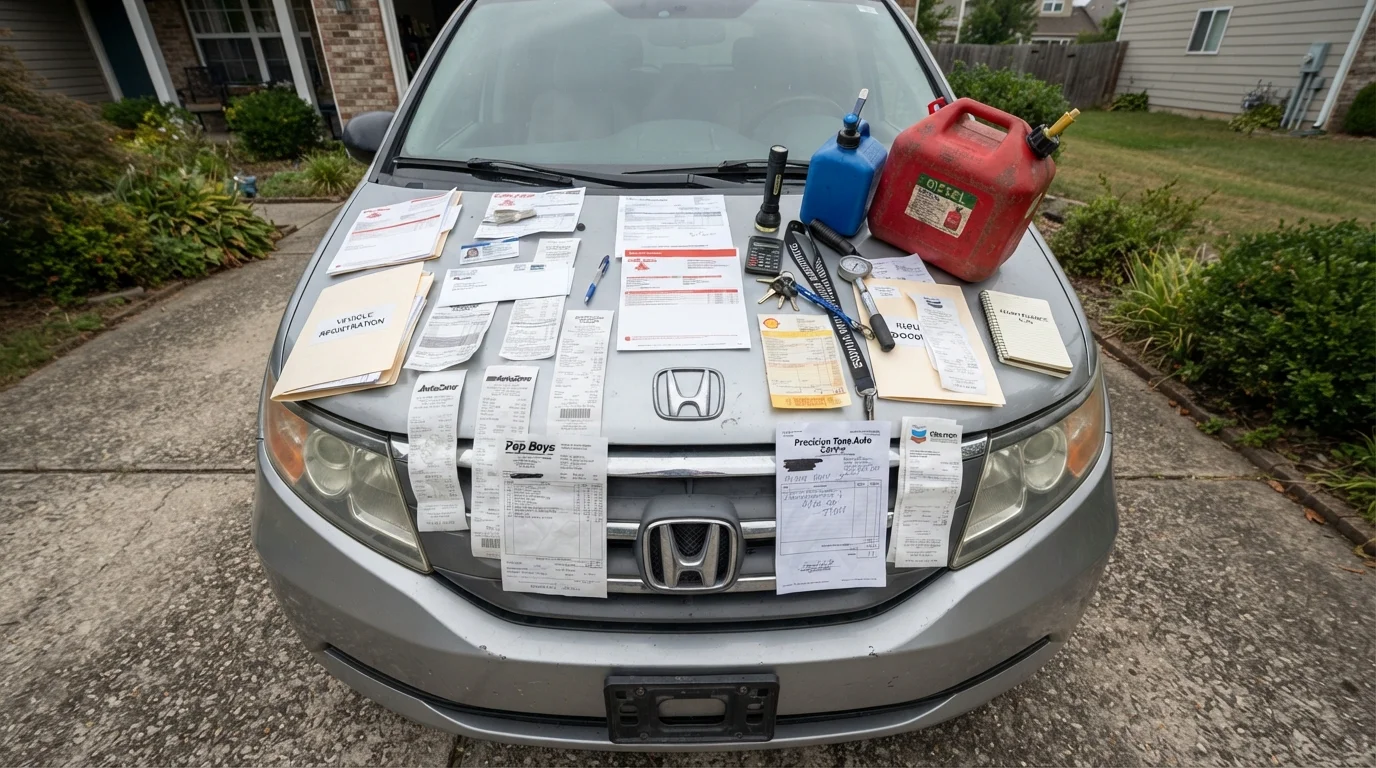
Liability limits also vary. State minimums are often far below what is needed to cover a serious accident, so many drivers carry higher limits, which costs more. Uninsured motorist coverage, medical payments coverage, and rental reimbursement riders each add a line item to the bill. Insurance costs are one of the recurring expenses that sneak up on family car budgets when drivers do not revisit their policy structure after major life changes.
How to evaluate whether your rate makes sense
Pulling a declarations page from your current policy gives you the specific rating factors your insurer is applying. Comparing that against quotes from other insurers shows whether your current company prices your profile competitively. Because each insurer uses its own model, the same driver and vehicle can generate meaningfully different premiums across companies.
It is worth checking the garaging address on file, confirming annual mileage figures are accurate, and verifying that every driver on the policy reflects current household reality. An old violation that should have aged off, or a vehicle still listed as financed when the loan is paid, can produce a higher premium than the risk profile actually warrants.