Why meal planning works for families
Meal planning is not a complicated system. It is deciding what your family will eat before hunger and a bare fridge force the decision for you. That shift from reactive to intentional is where most of the practical benefit comes from.
Families who plan before they shop tend to buy closer to what they will actually use. The USDA has documented that food waste is a persistent problem in American households, with perishable items like produce and dairy most likely to go unused. A plan gives those items a specific purpose before they land in the cart.
The financial argument is straightforward too. Unplanned grocery trips produce unplanned spending. When you know what you need for five dinners, you are less likely to fill the cart with items that seemed useful in the moment. For families working with a set weekly food budget, see strategies for feeding four on a tight budget for more on controlling costs at the planning stage.
Meal plan
A written schedule of what your household will eat over a set period, typically one week, used to guide grocery shopping and reduce daily decision-making.
Pantry audit
A quick inventory of food already in your home before you shop, so you buy only what you actually need and use up items before they expire.
Ingredient overlap
Deliberately choosing meals that share common ingredients so one purchase serves multiple meals, reducing both spending and food waste.
Batch cooking
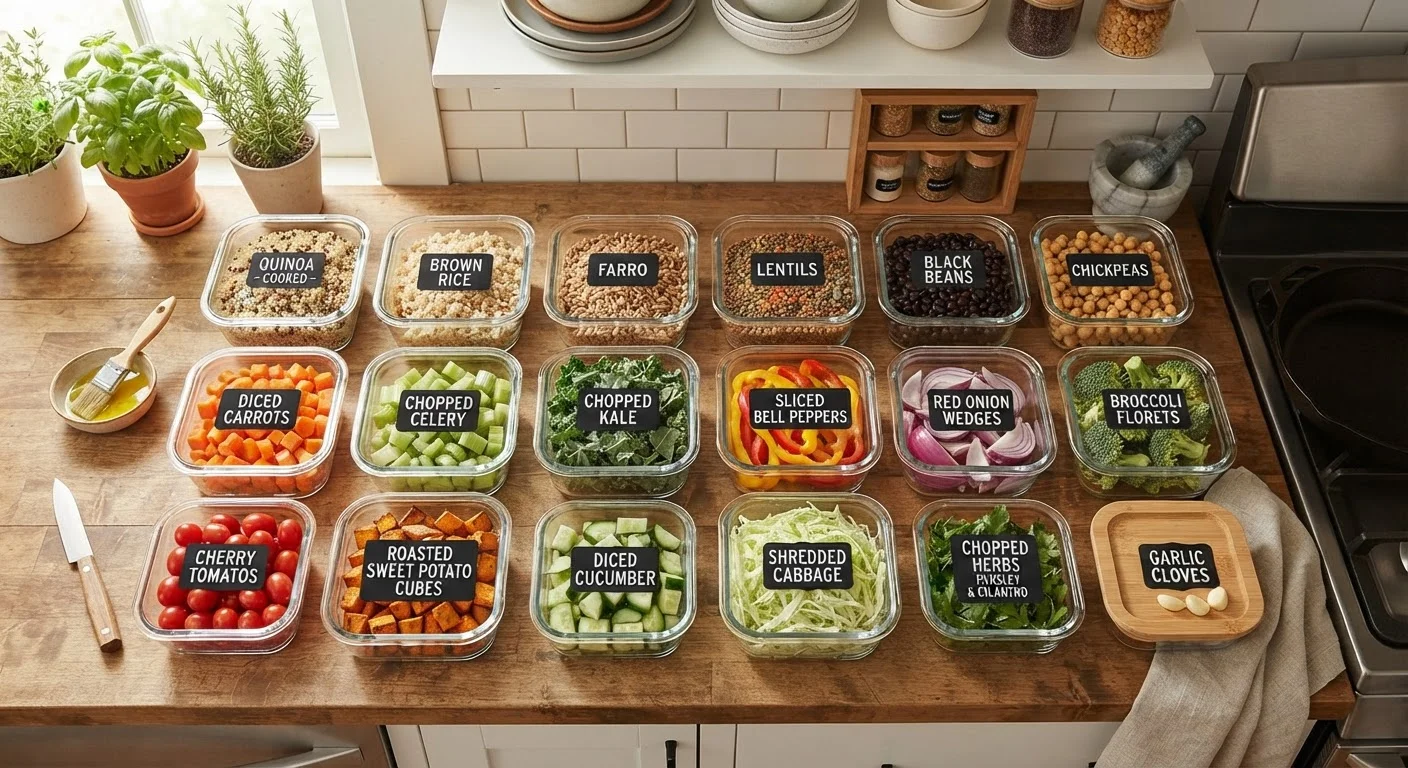
Preparing larger quantities of food in one session, usually on a weekend, so that components are ready to assemble into meals during the week.
Use-by date
The date printed on perishable food packaging indicating when the item should be eaten by for best safety or quality.
What to do before you write a single meal down
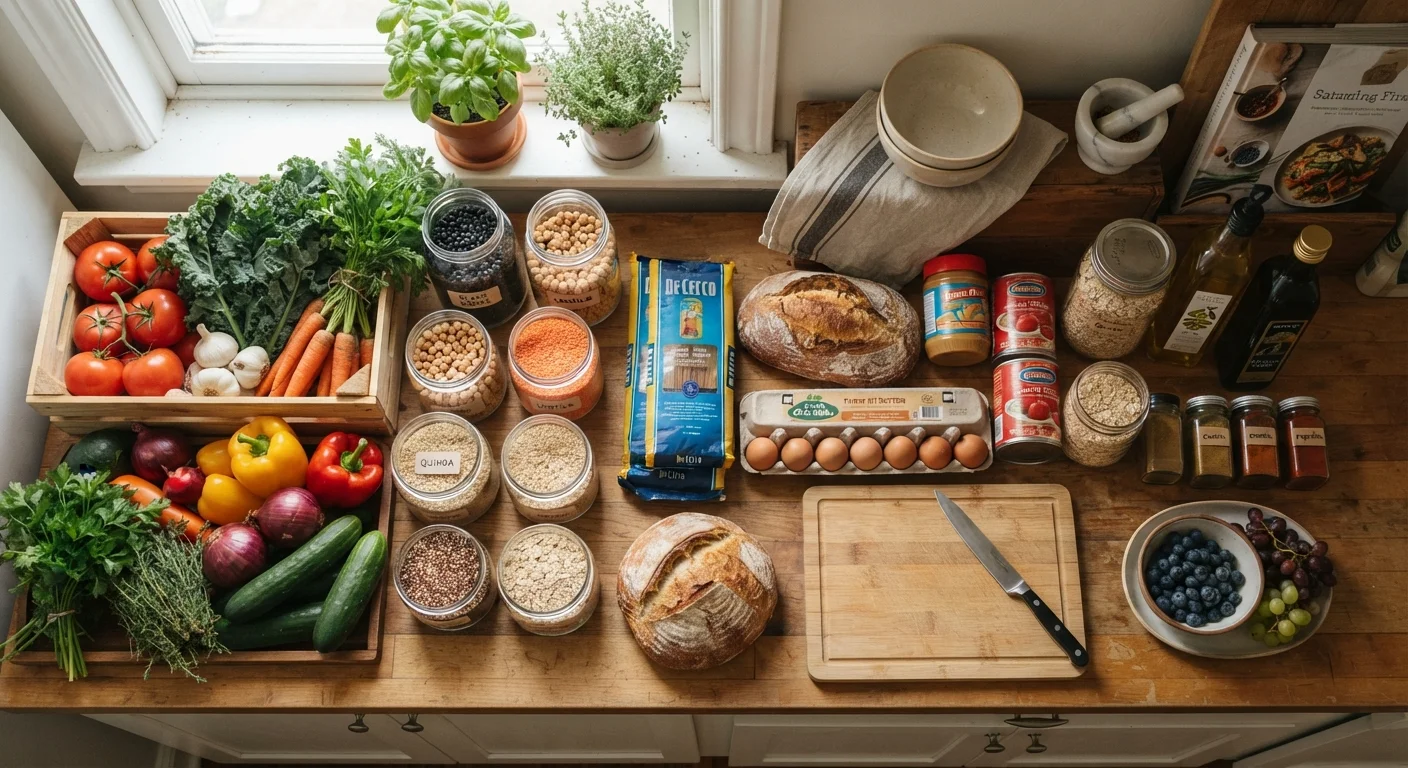
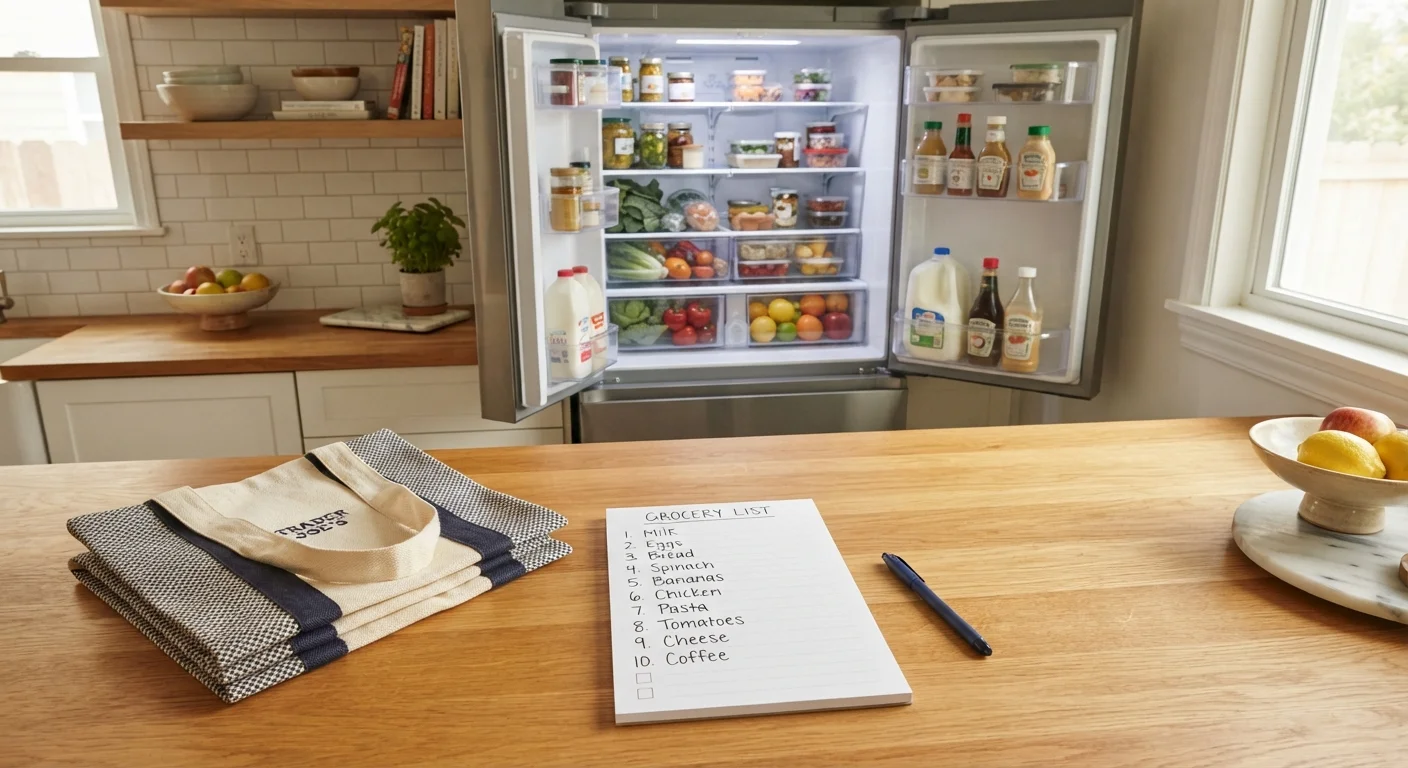
Before you plan meals, take stock of what you already have. Open the fridge, the freezer, and the pantry and note anything that needs to be used soon. Proteins near their use-by date, vegetables starting to soften, canned goods that have been sitting for months: these are your starting ingredients, not items to shop around.
Next, look at your week's calendar. Identify two or three nights that will be genuinely busy: late pickups, practices, or long workdays. Those nights need meals that take 20 minutes or less, or meals that were prepped earlier in the week. Overestimating how much time you will have on a Tuesday is one of the most common reasons first-time planners abandon the habit.
Before your next shopping trip, run through a quick household inventory using a checklist like the one in this pre-shop preparation guide. It takes under ten minutes and prevents duplicate purchases.
Building your first weekly plan
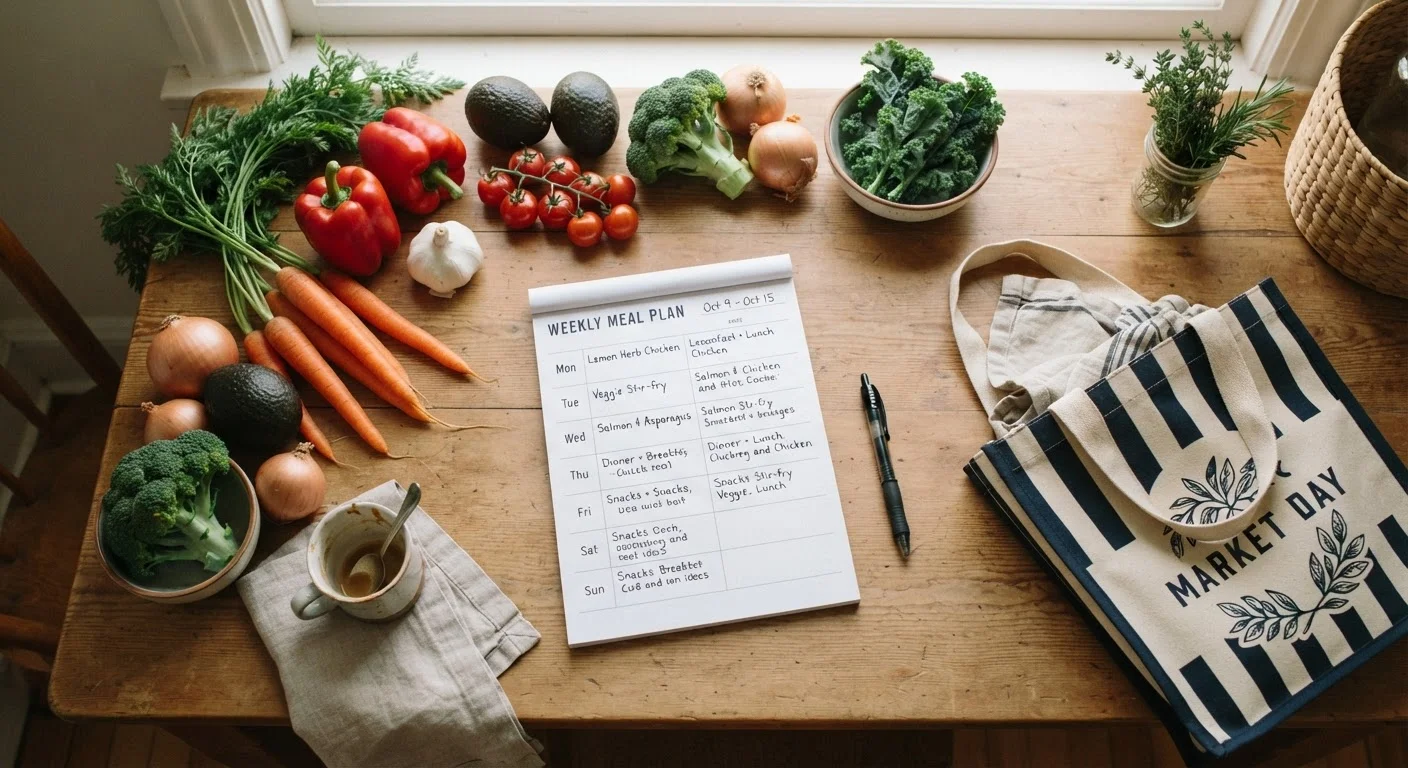
Write out seven dinner slots on paper or in a notes app. Fill in the nights you already know from your audit: the busy nights get quick meals, the nights with leftovers get marked as such, and any night you are eating out gets crossed off. What remains are the slots you need to actually plan.
For those open slots, aim for variety in protein and cooking method so you are not repeating the same flavor profile four nights in a row. More practically, look for ingredient overlap. If you buy a bag of spinach for Monday's pasta, plan a meal that also uses spinach by Wednesday. The same logic applies to canned beans, broth, and fresh herbs, all of which are frequently purchased and frequently wasted.
Three to four planned dinners is a realistic starting point. Planning every single meal for every single day is a common first-week overcorrection that tends not to survive contact with real family life. If Sunday batch cooking interests you as a way to get ahead, this guide to Sunday batch cooking covers what the method actually involves and where it tends to break down.
Start with a rotating core of five meals
Identify five dinners your family already likes and cook without much thought. Rotate through these as your base plan each week, filling remaining nights with one or two new ideas. This keeps planning time short and shopping lists predictable, which is exactly what makes the habit stick in the first month.
Turning your plan into a grocery list
Once your meals are set, list every ingredient you need and cross-reference it against what you already have. Write quantities, not just item names. 'Chicken' is not a grocery list entry. 'Two pounds boneless chicken thighs' is.
Organize the list by store section: produce together, proteins together, pantry staples together. This reduces the time you spend backtracking through aisles and lowers the chance of picking up unplanned items while searching for what you actually need. For a more structured approach to list-making and in-store navigation, this grocery shopping routine guide covers the weekly habits that cut both waste and spending over time.
One additional step worth building in: note which items on your list are pantry staples that you buy regularly. Over time, you can maintain a running staples list separately from your weekly meal list, which makes future planning sessions faster.
Common first-week mistakes and how to avoid them
Planning too many new recipes at once is a reliable way to spend more time, more money, and more energy than expected. New recipes often call for specialty ingredients you would not otherwise stock. In week one, lean on meals your family already eats. Novelty can come later, once the planning habit itself is stable.
A second common problem is treating the plan as binding rather than a guide. If Wednesday's planned meal does not happen, move it to Friday rather than abandoning the plan entirely. Flexibility is what separates a system that lasts from one that gets dropped after a rough Tuesday.
Finally, do not plan for six vegetable servings a day if your family currently eats one. Meal planning works best when it reflects how your family actually eats and gradually shifts habits, not when it imposes an idealized version of eating that nobody in the household is ready for. Pairing realistic food habits with affordable physical activity can support overall family wellness; no-cost activity ideas for kids covers the activity side of that without any gym required.