What batch cooking actually involves
Batch cooking means setting aside a block of time, typically two to three hours on a Sunday, to prepare ingredients or full dishes in advance for the coming week. The scope varies widely. Some households cook complete meals and portion them into containers. Others focus on components: a pot of grains, a tray of roasted vegetables, a batch of cooked beans, and a protein or two. Either approach reduces how much active cooking happens on weeknights.
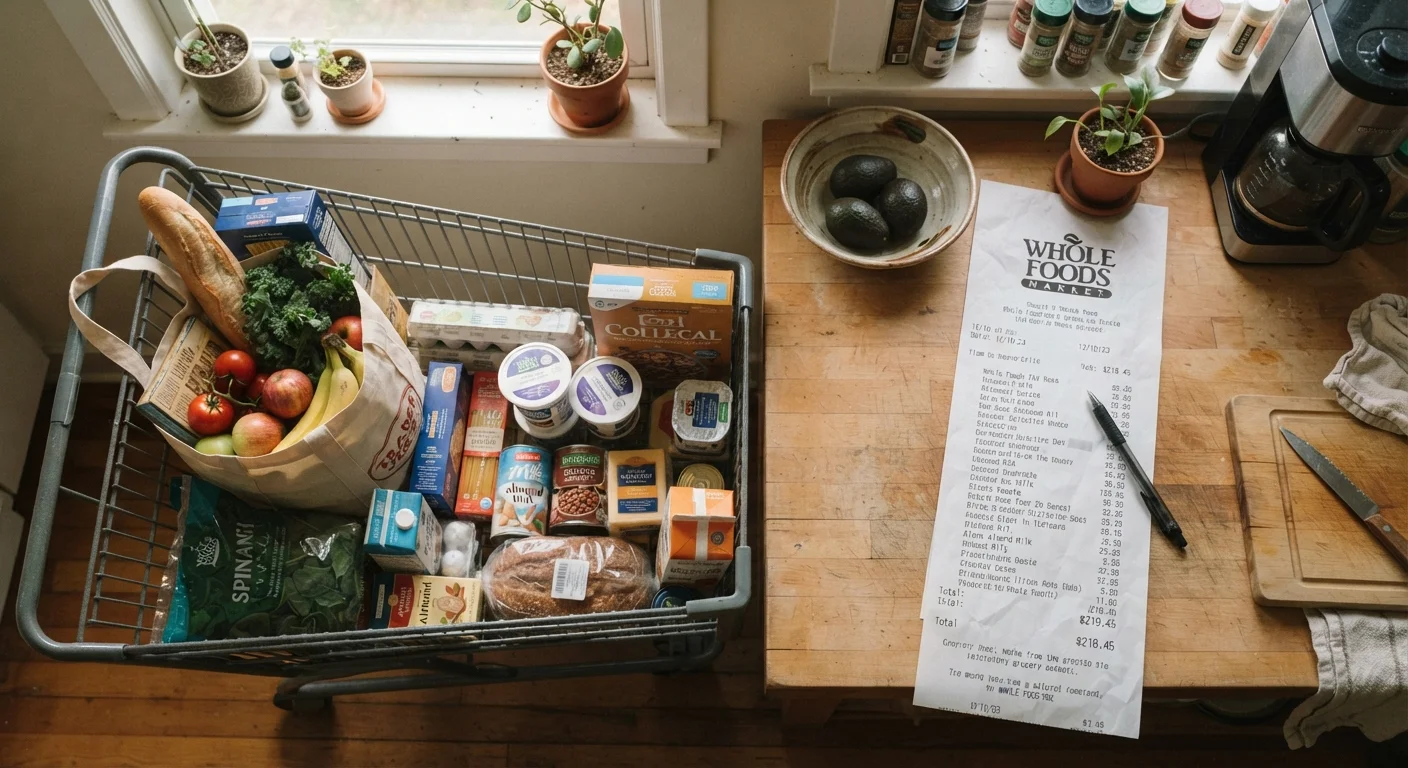
The method is most often framed as a time-saver, but its effect on grocery spending is just as significant. When a family has ready-made food in the refrigerator, they are less likely to order takeout or buy overpriced convenience items mid-week. That connection between prep and spending is worth understanding before deciding whether to start. See why grocery trips tend to cost more than expected for context on how unplanned weeknight purchases add up.
The real advantages
Cuts weeknight active cooking time significantly
When proteins, grains, and vegetables are already cooked, assembling a meal takes ten to fifteen minutes rather than forty-five. That reduction matters most on high-pressure weeknights.
Reduces reliance on takeout and convenience foods
Having ready-made food in the refrigerator removes the main reason families reach for takeout. Over a month, that shift can represent meaningful savings on food spending.
Decreases daily decision fatigue around meals
Deciding what to cook every evening draws on the same mental resources as other daily decisions. A prep session that answers those questions in advance lightens that load across the week.
Supports more consistent produce and protein use
Prepping perishables shortly after purchase reduces the chance they spoil unused. The USDA estimates that American households waste a significant share of the food they buy, and timely prep is one practical check on that.
Scales well for larger families
Cooking in bulk is more energy- and cost-efficient per serving than cooking small amounts repeatedly. A single large pot of beans, for example, costs less per cup than daily small-batch cooking.
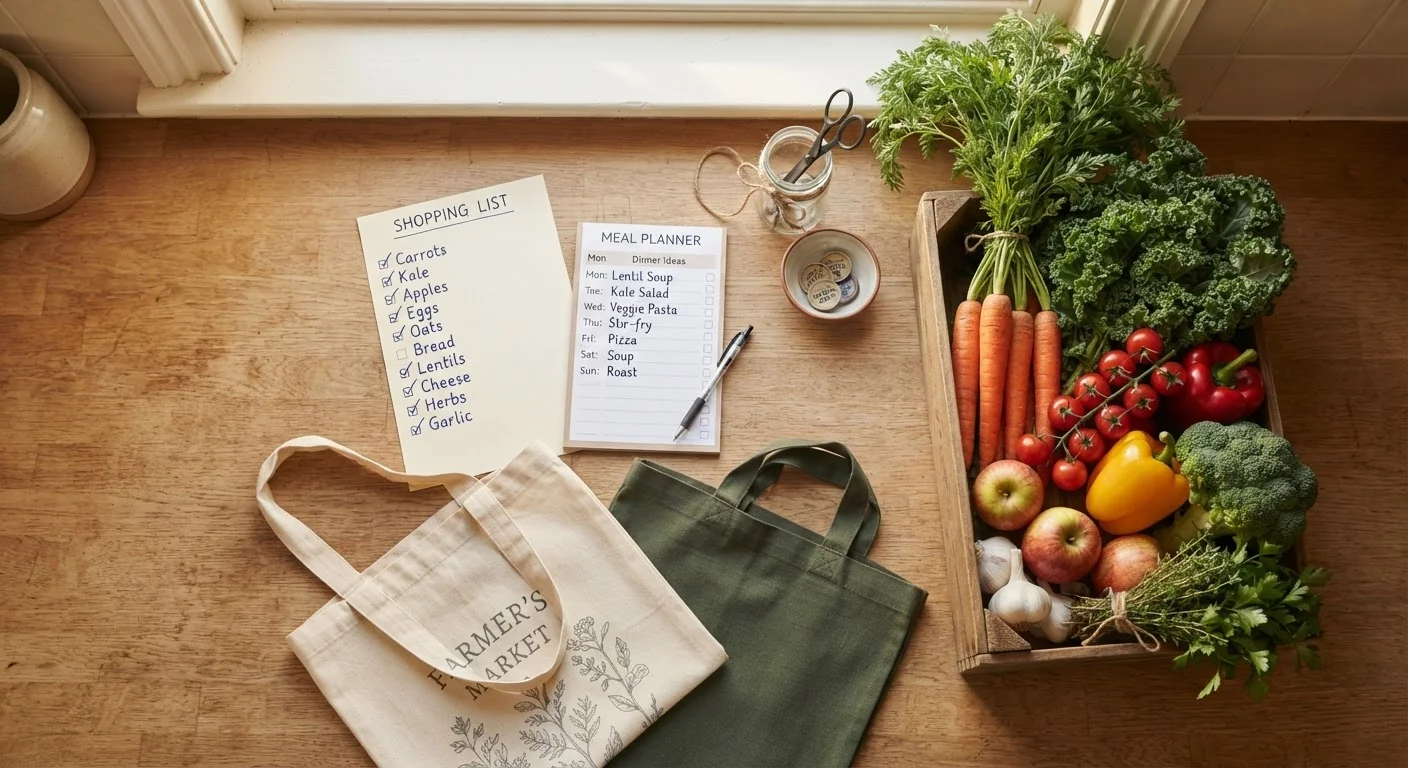
Batch cooking also works well alongside a structured weekly grocery plan. Families who know what they are prepping buy only what they need, which reduces both impulse purchases and food waste. The smart grocery shopping routine covers how to align shopping lists with what you will actually cook, which makes batch prep more cost-effective.
The honest drawbacks
Requires a reliable two-to-three-hour block
Sunday schedules are not always predictable. A single disrupted week can break a forming habit, so the method works better for households with consistent weekend routines.
Refrigerator space can become a real constraint
A full batch-cooking session produces enough containers to fill a standard refrigerator shelf quickly. Households with smaller fridges or shared kitchen space may find storage a genuine obstacle.
Flavor fatigue is a common complaint
Eating the same base ingredients across five days loses appeal for many family members, particularly children. Fully prepped identical meals amplify this problem compared to prepping neutral components.
Not all foods reheat well
Textures change in storage. Roasted vegetables soften, pasta turns gummy, and some proteins dry out when reheated. Choosing the right foods to prep is as important as the prep itself.
Upfront grocery investment can feel high
Buying ingredients for a full week at once increases the single-trip spend even if the weekly total is lower. Families on tight cash flow may find the lump purchase harder to manage than daily or every-other-day shopping.
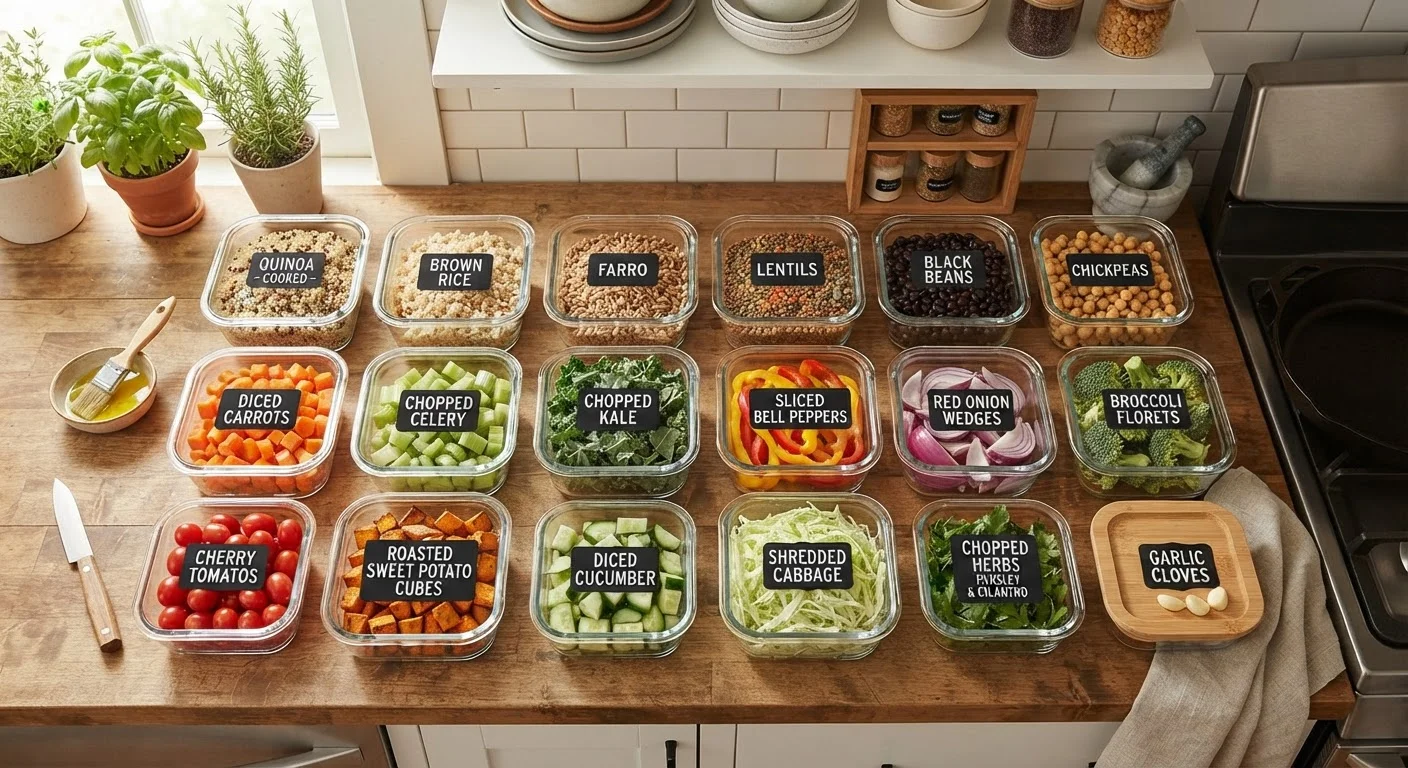
One way to manage flavor fatigue is to prep neutral base ingredients rather than fully seasoned dishes. Plain roasted vegetables, unseasoned cooked grains, and simple braised proteins can be dressed differently each day, which gives weeknight meals more variety without requiring separate cooking sessions.
What holds up and what doesn't
Some foods are reliable candidates for batch prep. Cooked grains such as rice, farro, and barley keep well refrigerated for four to five days. Cooked dried legumes, roasted root vegetables, and hard-boiled eggs are similarly sturdy. Soups and stews often taste better after a day or two as flavors develop.
Other foods deteriorate quickly and are better cooked fresh. Dressed salads wilt within hours. Pasta absorbs sauce and turns soft. Fried foods lose their texture. Fish and shellfish have shorter safe storage windows than poultry or beef, so prepping them days in advance raises food safety concerns. The USDA recommends consuming cooked seafood within two days of refrigeration.
Food safety basics for batch prep
The USDA recommends refrigerating cooked foods within two hours of cooking and consuming most cooked items within three to four days. Cooked seafood should be used within two days. Labeling containers with the prep date makes it straightforward to track what needs to be eaten first. If a dish won't be used within four days, freeze it rather than letting it sit.
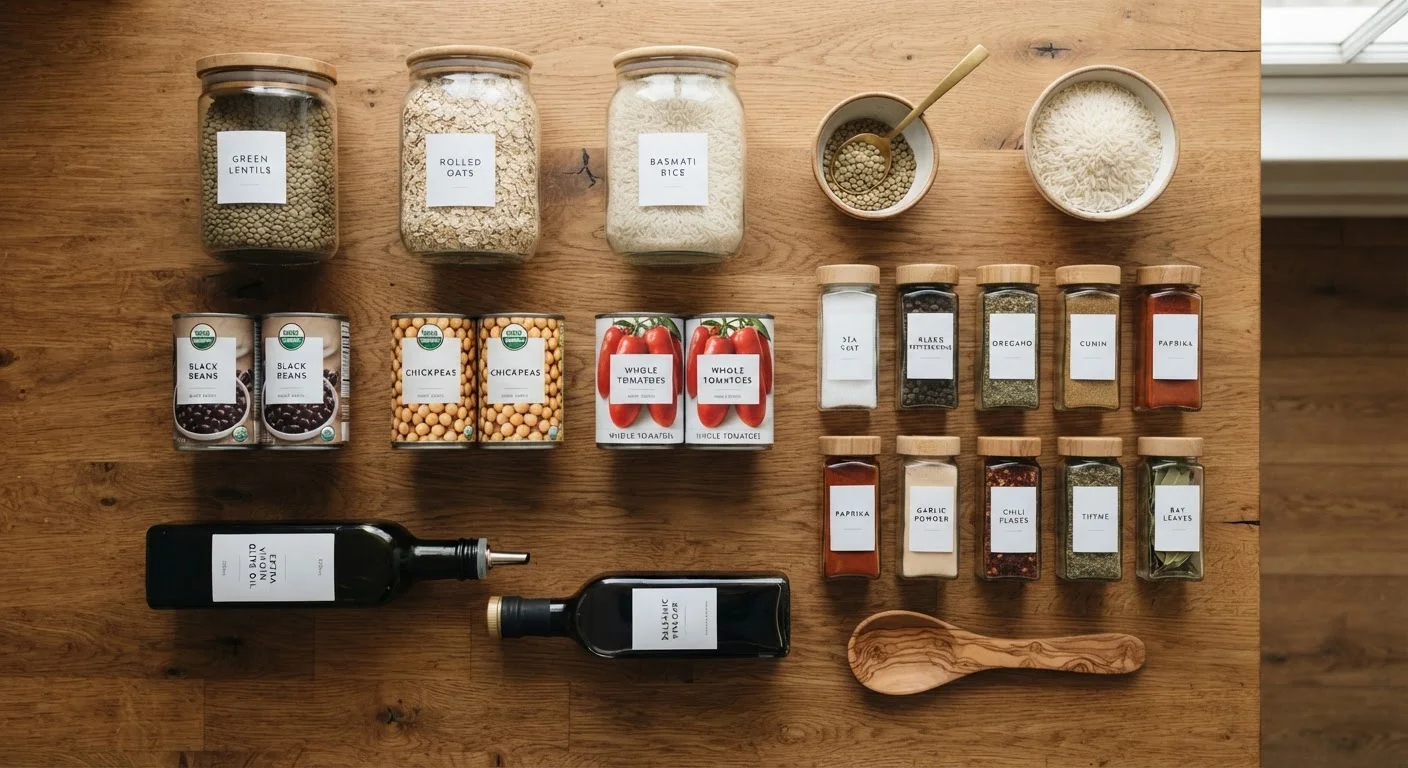
Building a prep list around pantry staples lowers cost and increases flexibility. The pantry staples that stretch your grocery dollar covers affordable ingredients that form a dependable foundation for weekly prep.
How to start without overwhelming yourself
The most common mistake is attempting a full week of plated meals on the first try. That approach takes four or more hours, requires significant storage space, and often produces food that goes uneaten because tastes shift mid-week.
A more practical starting point: pick two or three staple items to prep each Sunday. A pot of grains, a tray of roasted vegetables, and one cooked protein covers most weeknight combinations. As the routine becomes familiar, the prep time shortens because the process becomes predictable.
Storage containers matter more than most guides acknowledge. Shallow, airtight containers cool food faster and stack efficiently in the refrigerator. Labeling each container with the contents and prep date removes guesswork and reduces waste.
Families new to meal planning more broadly will find it useful to read meal planning from scratch before building a batch cooking routine. Establishing a weekly food plan first makes the Sunday session easier to scope. For households also trying to manage overall grocery spending, feeding a family of four for under $150 a week shows how batch cooking fits into a tighter budget framework.