The gap between what you plan to spend and what you actually spend
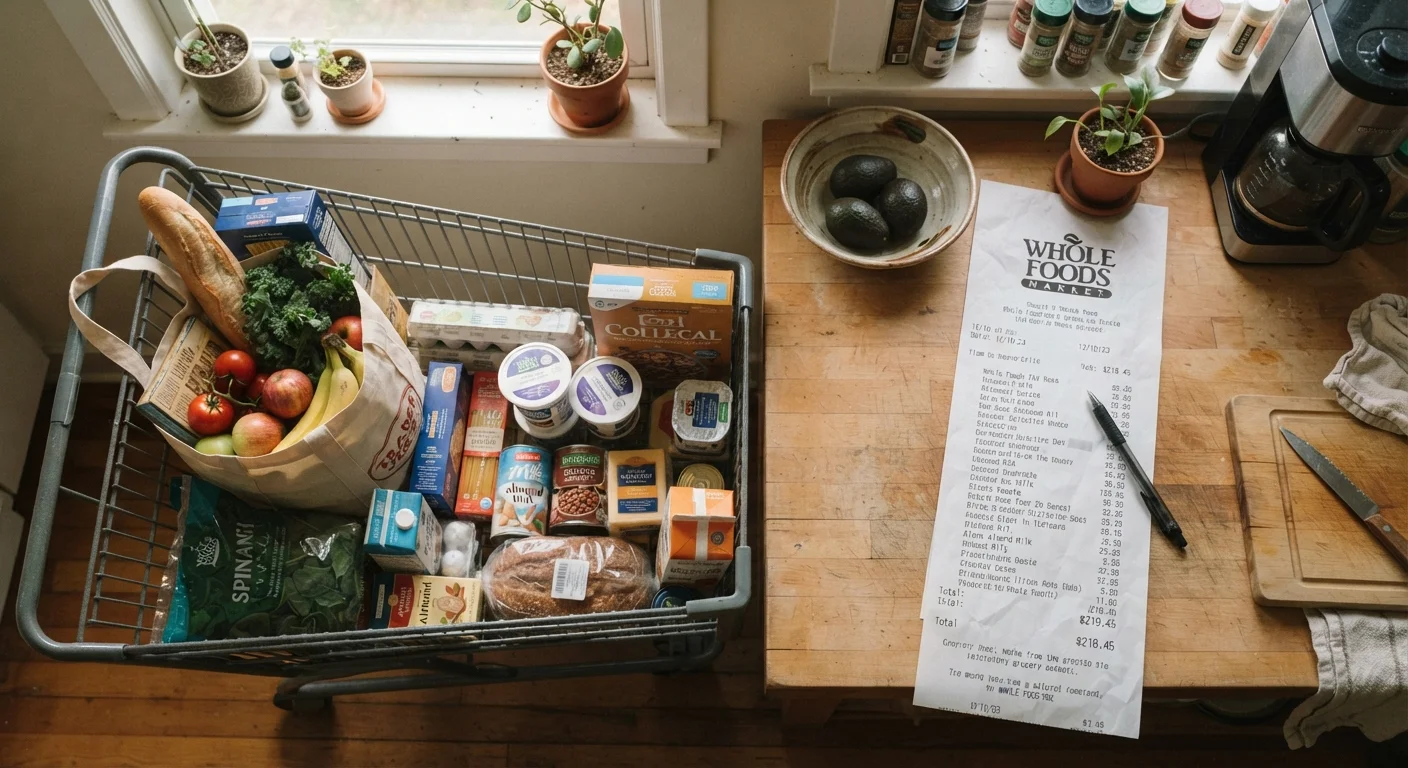
Most families leave the grocery store having spent more than they intended. The USDA's food expenditure data consistently shows that American households spend a meaningful share of their income on food at home, and a significant portion of that spending produces little nutritional or practical return. The causes are rarely dramatic. They are small, repeated habits that compound across every shopping trip.
Understanding where the money goes is the first step. The patterns below account for the majority of preventable grocery overspending for families shopping on a weekly or biweekly basis. See the household grocery prep checklist for a before-you-leave routine that addresses several of these at once.
Shopping without a meal plan or written list.
Why it happens: Many shoppers rely on memory or shop intuitively, assuming they will recognize what they need once they see it on the shelf.
Buying perishables in quantities the household cannot realistically use before they spoil.
Why it happens: Bulk packaging looks like a better value at a glance, and promotional displays reinforce that impression even when the household is small.
Skipping a pantry check before heading to the store.
Why it happens: Shoppers are often in a hurry and assume they remember what is at home, which leads to buying duplicates of items already on hand.
Comparing products by package price rather than unit price.
Why it happens: Package prices are the most visible numbers in a store aisle, and different sizes make direct comparison difficult without doing the math.
Shopping when hungry or rushed, which leads to impulse additions.
Why it happens: Hunger amplifies the appeal of prepared foods, snacks, and anything near the checkout area. Time pressure reduces the willingness to check prices or reconsider items.
Defaulting to convenience and pre-prepared items when whole ingredients would cost less.
Why it happens: Pre-cut vegetables, marinated proteins, and single-serve portions save time, and when time is short that trade-off feels worthwhile without doing a cost comparison.
How to build habits that hold the line on spending
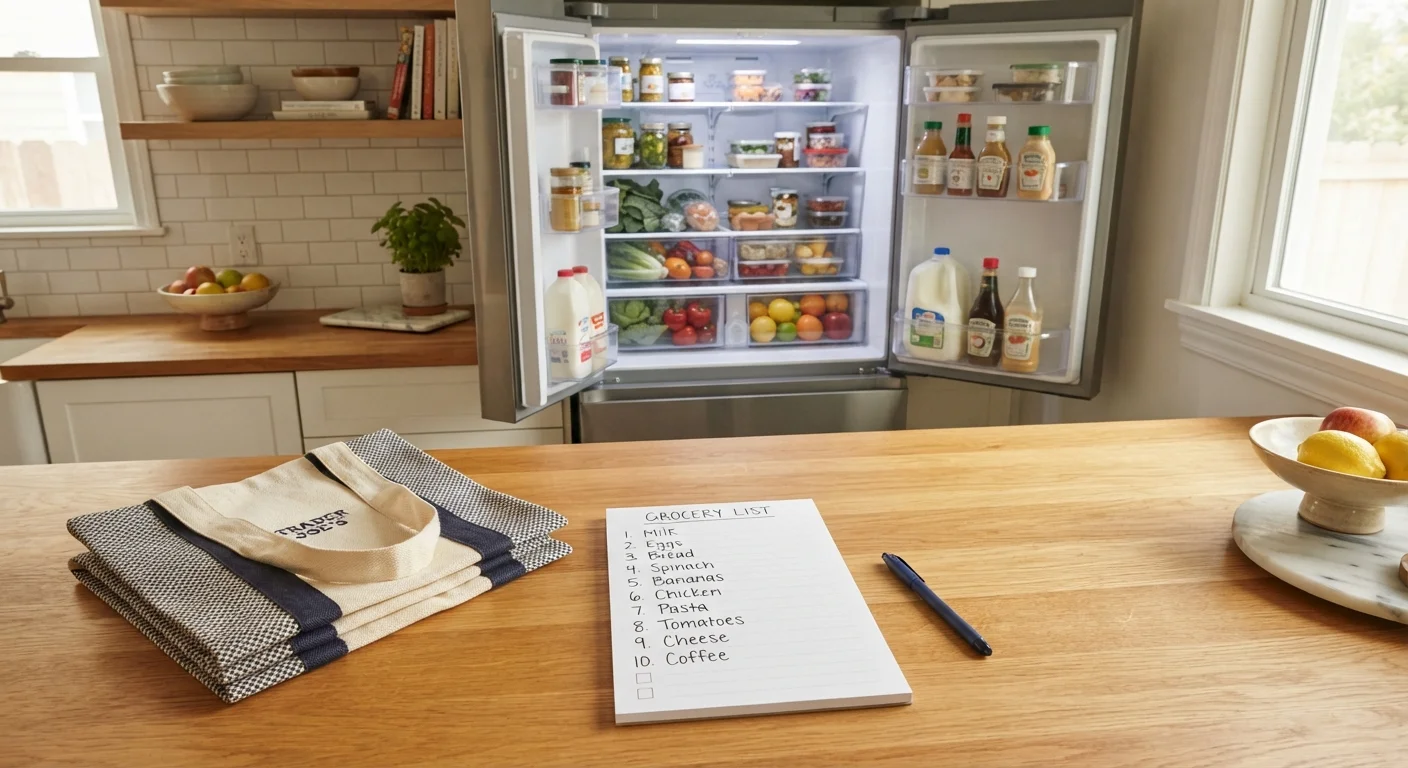
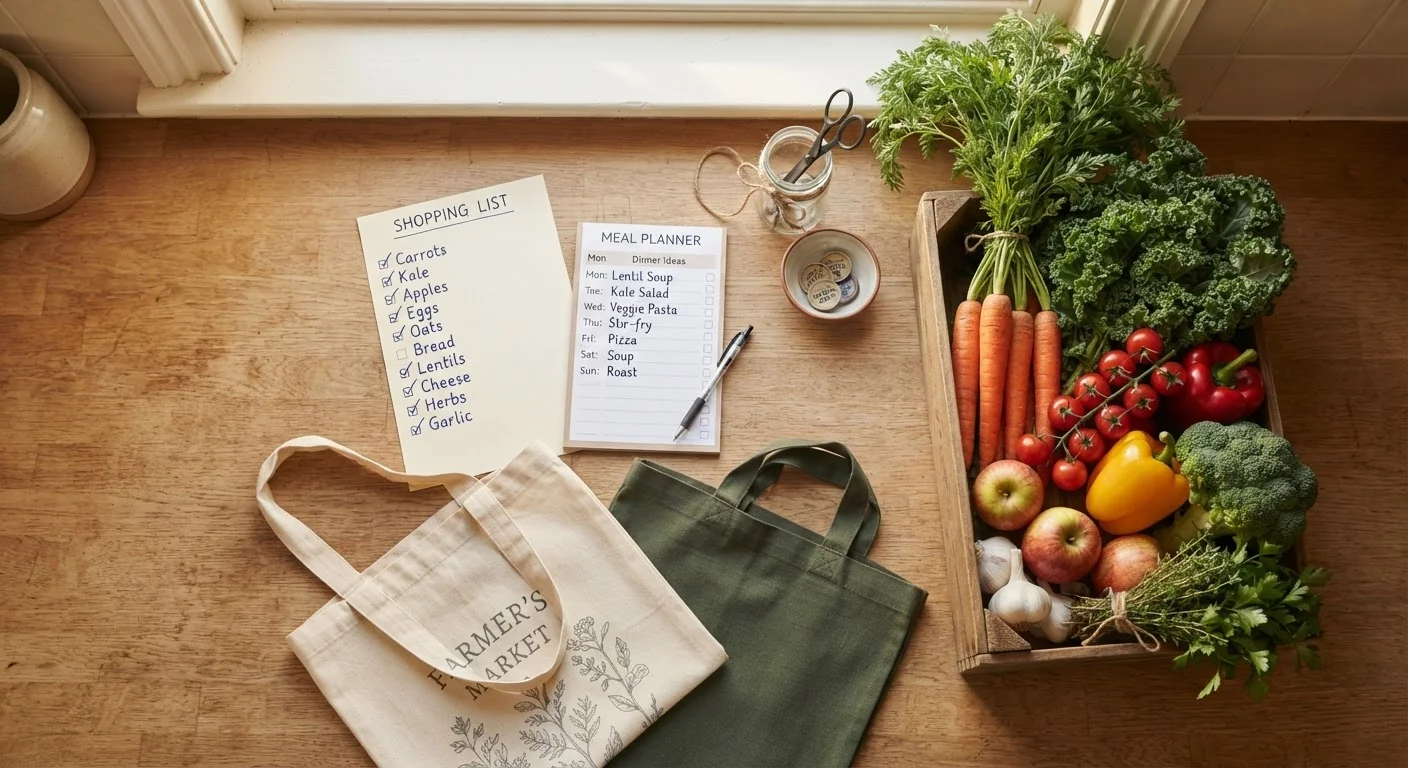
Correcting these mistakes does not require a complicated system. A written or phone-based list, reviewed against what is already in the pantry, solves the most expensive errors before you walk through the door. Meal planning for the week ahead lets you buy exactly what you need for each recipe rather than guessing at quantities.
Unit price labels, which most stores display on shelf tags, let you compare products accurately regardless of package size. A larger package is not always cheaper per ounce. Store-brand and private-label products frequently match name-brand quality at a lower unit cost, according to consumer price analyses published by the USDA Economic Research Service.
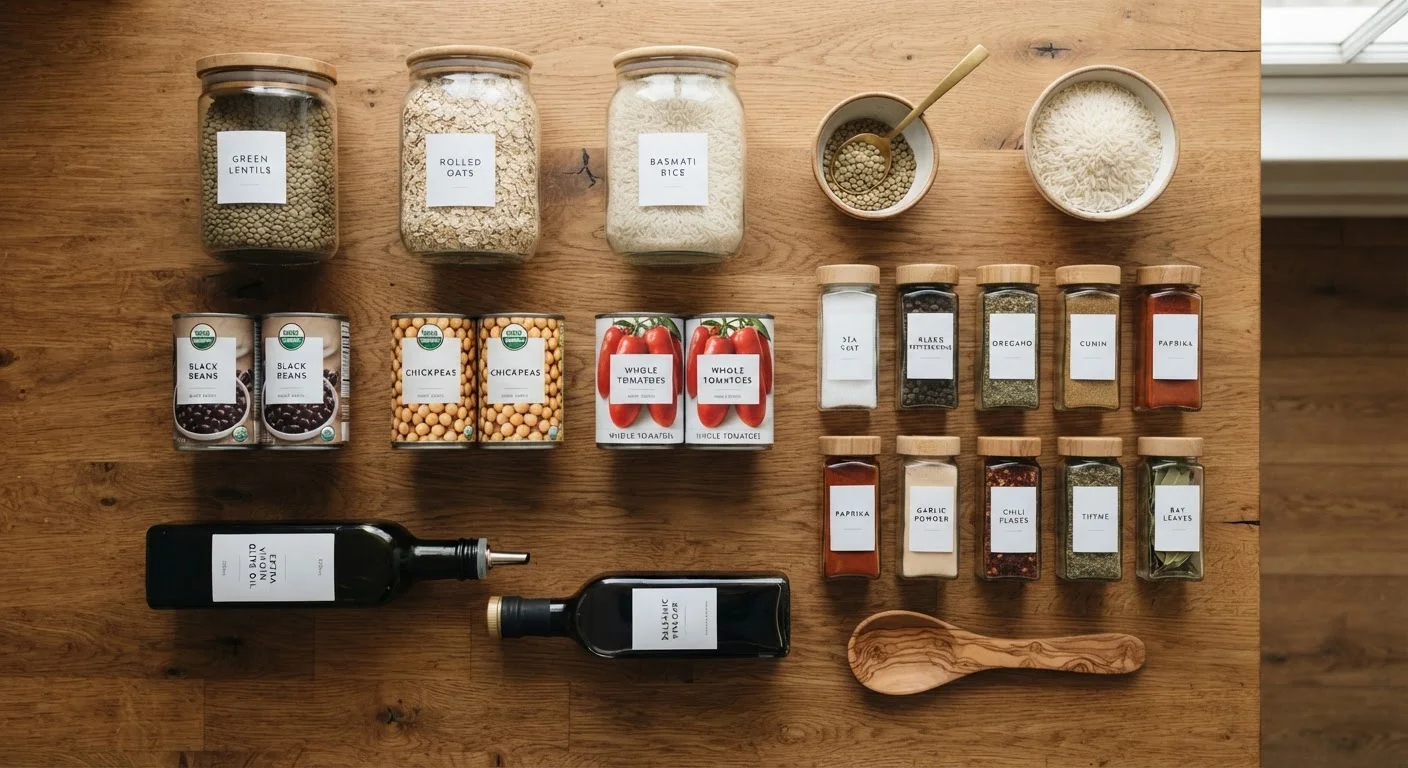
For a broader look at which pantry ingredients deliver the most flexibility per dollar, the pantry staples that stretch your grocery dollar article covers affordable, versatile foundations worth keeping stocked. A consistent weekly routine also makes a measurable difference over time. The smart grocery shopping routine outlines a week-by-week approach that combines list discipline, store navigation, and post-shop storage.
Store layout is not neutral
Grocery stores place high-margin items at eye level, position snacks and prepared foods near high-traffic paths, and cluster impulse buys around checkout lanes. These placements are deliberate. Shopping with a list and sticking to the perimeter and planned aisles reduces exposure to the most profitable (for the store) sections. Awareness of the layout does not require avoiding any section, but it does help you make deliberate choices rather than reactive ones.