Use this step-by-step checklist before every grocery trip to avoid overspending, duplicate purchases, and forgotten staples.
Key Takeaways
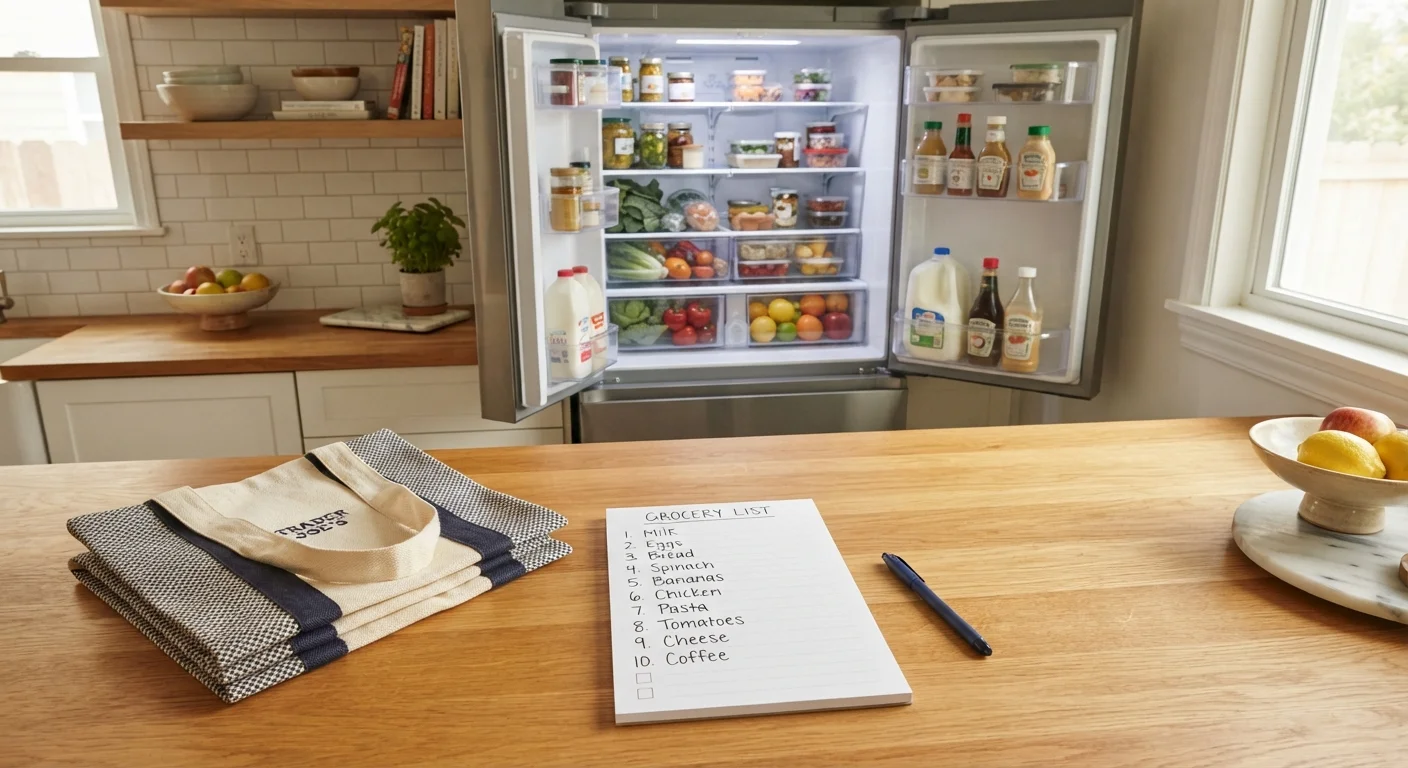
Checking your fridge, freezer, and pantry before shopping prevents duplicate purchases and food waste.
A written meal plan reduces impulse buying and makes your list more precise.
Knowing your budget before you shop helps you make trade-offs at the store rather than at checkout.
Organizing your list by store section cuts time in the aisles and reduces unplanned detours.
Checking household supplies alongside food items means one trip covers everything.
Why prep before the store matters
Most grocery overspending starts before you ever walk through the door. A cart loaded with duplicates of what you already own, missing one ingredient that derails a dinner plan, or no clear budget in mind: these are problems that form at home, not at the store. This checklist gives households a repeatable process to close those gaps in 15 to 30 minutes.
Subtle shopping habits quietly inflate the average grocery bill, and many of them trace back to the same root cause: showing up underprepared. The steps below address each gap in order, so you move from what you have to what you need to what you will spend.
Inventory check
Scan the refrigerator and note anything that needs to be used before it spoils.Must
Check the freezer for proteins, vegetables, and prepared items already on hand.Must
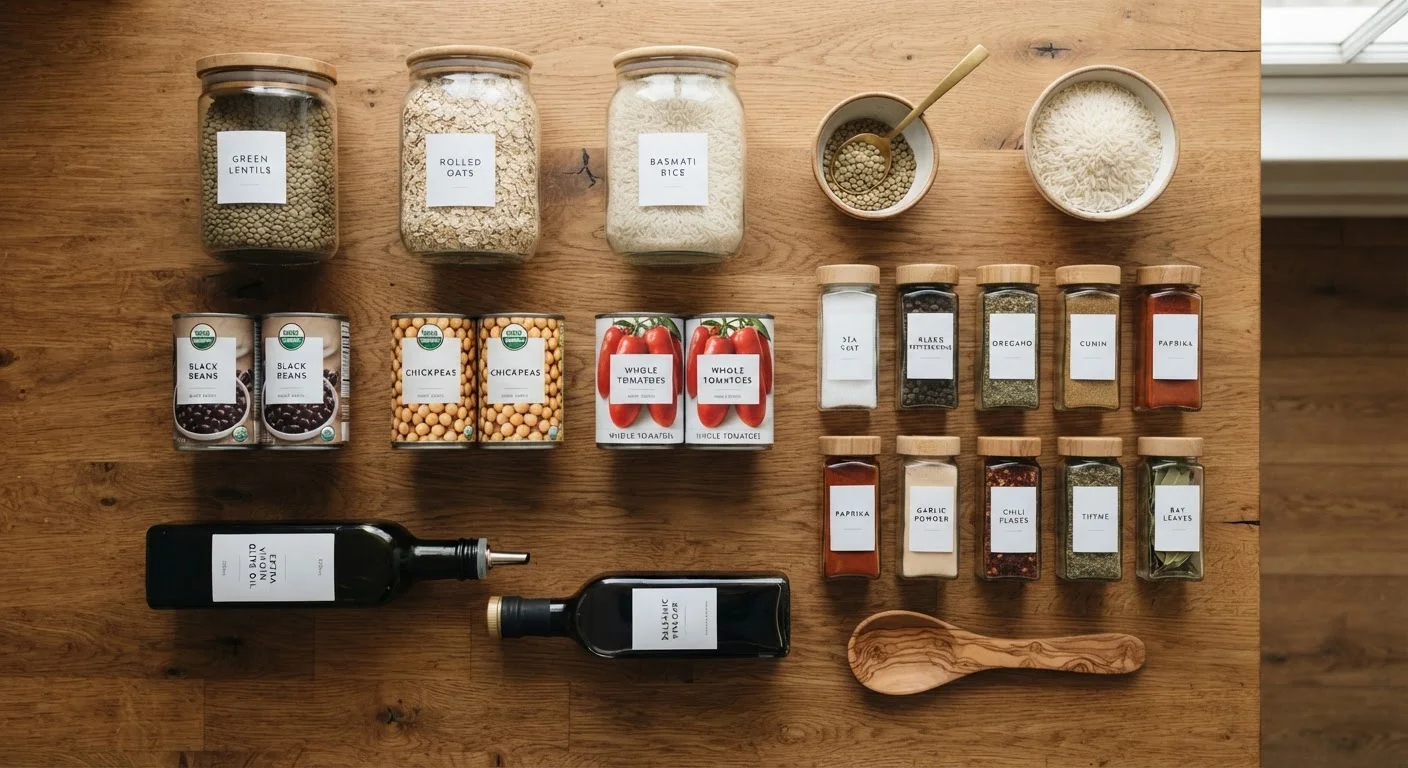
Review pantry shelves for staples: grains, canned goods, oils, and condiments.Must
Check household supplies such as paper goods, dish soap, and trash bags so one trip covers everything.Should
Meal planning
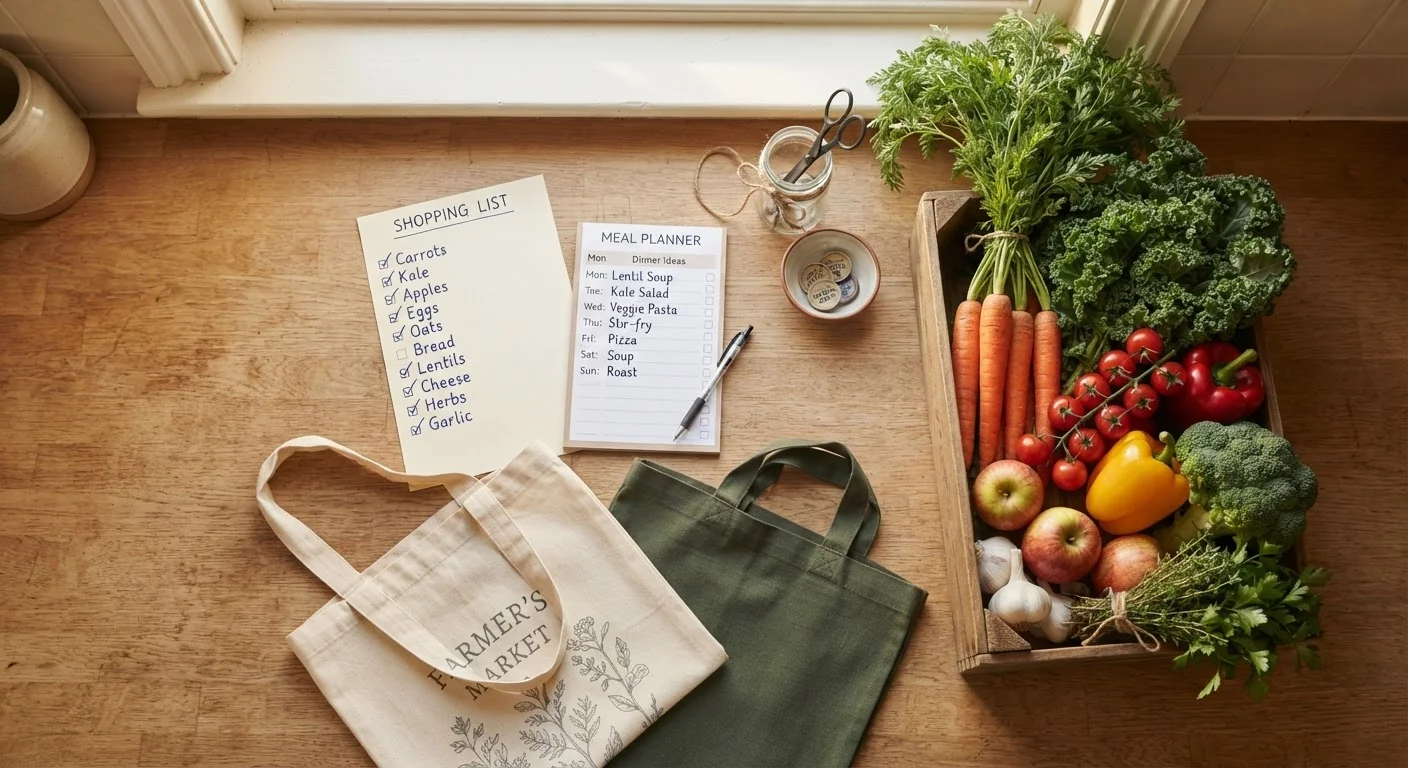
Plan meals for the number of days you are shopping for, including at least one meal built around what is already in the fridge or freezer.Must
Identify which meals share ingredients so you can buy one item and use it across multiple dinners.Should
Account for nights when cooking is unlikely (work schedules, activities) and plan simpler or no-cook meals for those days.Should
Note any dietary needs or preferences for the week, including meals for packed lunches or school days.Nice to have
List building
Write out every item you need based on your meal plan and inventory gaps.Must
Organize your list by store section (produce, dairy, meat, frozen, dry goods) to reduce backtracking.Should
Add quantities next to each item so you do not over-buy or under-buy.Must
Flag items where a store-brand or different size might offer better value for your household.Nice to have
Budget review
Set a specific dollar target for this trip before leaving home.Must
Review your store's weekly circular or app for any price changes on items already on your list.Should
Identify two or three items on your list that have flexible substitutes in case prices are higher than expected.Should
Logistics prep
Confirm you have reusable bags, loyalty or store cards, and a payment method ready.Must
Check whether any items you need are available for curbside pickup or delivery at lower effort or cost for your household.Nice to have
Plan your shopping time to avoid peak store hours if possible, which reduces pressure to skip the list.Nice to have
Make sure your phone is charged if you are using a digital list or store app.Nice to have
Final check before leaving
Read through your list one more time and remove anything that is not genuinely needed this week.Must
Confirm that at-home items flagged as low (not yet empty) are on the list before they run out completely.Should
Tools to have on hand
You do not need anything complicated to complete this checklist. The tools below cover everything from inventory review to list organization.
Required
Notepad or whiteboard
Track items as they run out throughout the week so your pre-shop scan is faster.
Optional
Grocery list app or notes app
Organize your list by store section and share it with other household members in real time.
Optional
Store circular or store app
Review current pricing on your planned items before you leave home.
Required
Reusable shopping bags
Avoid per-bag fees and keep items organized by category during checkout.
Optional
Store loyalty or rewards card
Access member pricing on eligible items without any extra steps at checkout.
Using this checklist week after week
The first time through this checklist takes the most effort because you are building habits from scratch. By the second or third week, the pantry scan and meal plan steps move faster because your inventory awareness improves.
If your household keeps a running digital note or whiteboard list for items as they run out, the inventory step becomes a quick confirmation rather than a full audit. Pairing this prep routine with a solid base of versatile ingredients also shortens your weekly list. Affordable pantry staples that stretch your grocery dollar can anchor your meal plans so you are buying fewer specialty items each week.
Food & Drink Editorial Team is the collective byline for our editorial team and contributor network. Articles published under this byline or an editorial pen name are researched, written, and reviewed according to our editorial standards for clarity, consistency, and independence before publication.
The content provided on our blog site traverses numerous categories, offering readers valuable and practical information. Readers can use the editorial team’s research and data to gain more insights into their topics of interest. However, they are requested not to treat the articles as conclusive. The website team cannot be held responsible for differences in data or inaccuracies found across other platforms. Please also note that the site might also miss out on various schemes and offers available that the readers may find more beneficial than the ones we cover.