What the shelf label is actually telling you
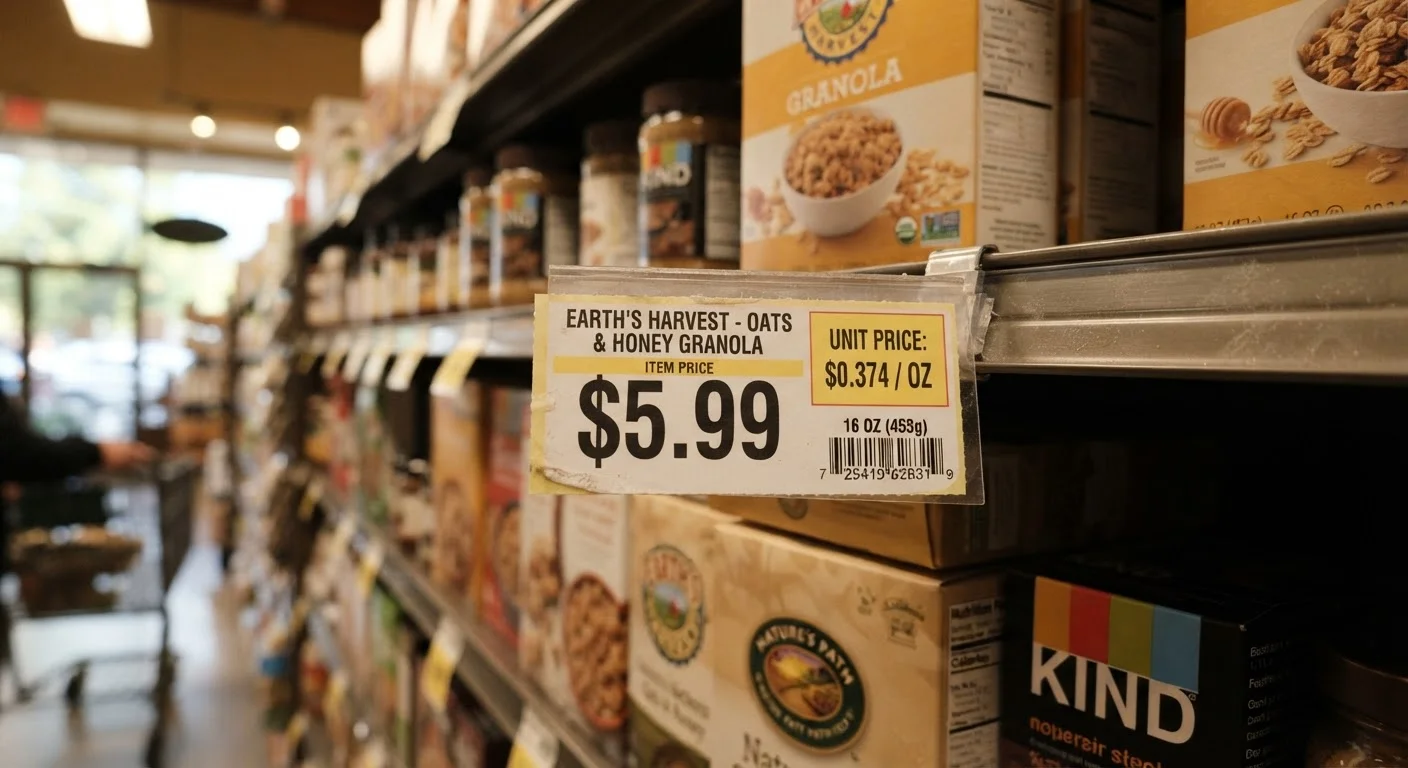
Every grocery store shelf tag carries two prices. The first is the total price you pay at the register. The second, usually printed smaller, is the unit price. That smaller number does the comparison work for you.
A 32-ounce jar of pasta sauce priced at $3.84 has a unit price of 12 cents per ounce. A 24-ounce jar at $3.12 also works out to 13 cents per ounce. The larger jar costs more at checkout but less per ounce. Without the unit price, that difference is invisible at a glance.
Unit pricing works across virtually every grocery category: cereal, meat, dairy, canned goods, cleaning supplies, and personal care items. The base unit changes by category. Liquids are typically priced per fluid ounce. Dry goods appear per ounce or per pound. Packaged items sold by count, like tea bags or diapers, show a price per unit or per count. Reading the unit label before comparing is necessary because a per-fluid-ounce price and a per-pound price cannot be directly compared.
When the unit label is missing or unclear
If a shelf tag lacks a unit price, you can calculate it yourself: divide the total price by the net weight or volume printed on the package. Most package labels show net weight in ounces, so dividing the price in cents by the ounce count gives you cents per ounce. This method works for any product regardless of store policy.
When bigger is not actually cheaper
A common assumption is that buying in bulk always reduces the unit price. That is frequently true for stable pantry staples, but it is not a rule. Stores set prices based on inventory, promotions, and supplier contracts, and those factors can make a mid-size package the most efficient buy on a given week.
A 2019 Consumer Reports analysis of supermarket pricing found that the per-unit cost of a larger size exceeded that of a smaller size in a notable share of product comparisons reviewed. The pattern appeared across categories including beverages, snacks, and household supplies.
Promotional pricing adds another variable. A sale on a smaller size can push its unit price below that of the standard large size. The shelf tag reflects the current price, so the unit price shown during a sale already captures the discount. Checking unit prices during a store visit, rather than assuming a familiar size is still the best value, is the habit that catches these shifts. For a broader look at how shopping habits affect the total bill, see what quietly inflates weekly grocery costs.
~30%
Share of comparisons where larger size costs more per unit
Consumer Reports has documented cases across multiple grocery categories where a larger package carried a higher per-unit cost than a smaller one.
$500+
Estimated annual savings for price-aware grocery shoppers
USDA research on food spending patterns suggests households that apply consistent comparison strategies can reduce their annual food-at-home costs meaningfully, though individual results vary.
Applying unit pricing to a real shopping list
Unit pricing is most useful when you have a few seconds to pause before picking up a product. The process is straightforward: find the unit price on the shelf label, confirm the unit of measure matches the competing product, then choose the lower number.
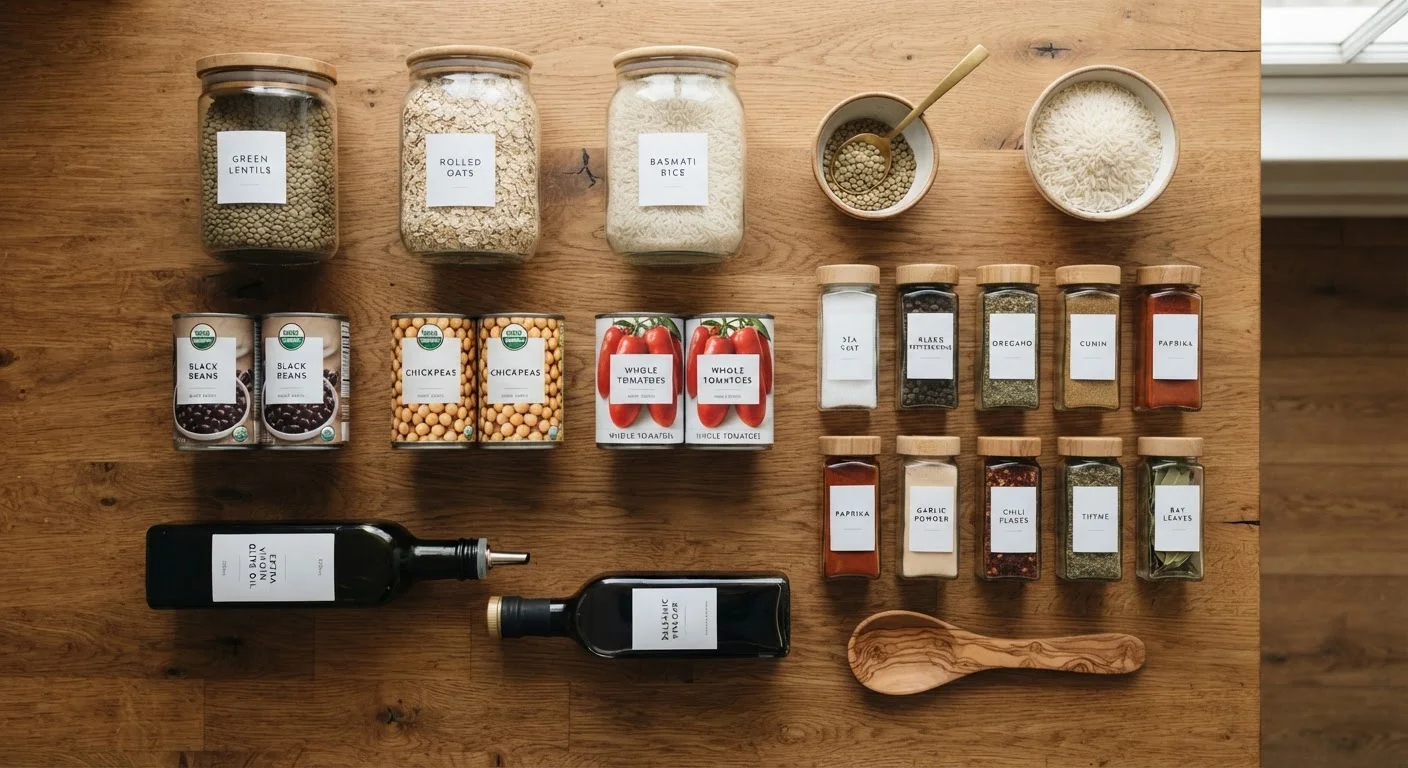
For families building meals around affordable ingredients, unit pricing pairs naturally with a pantry-focused approach. Dried beans, rice, oats, and canned tomatoes are all products where a small per-ounce difference across package sizes adds up across a month of cooking. Pantry staples that stretch your grocery dollar covers which ingredients offer the most cooking flexibility per dollar spent.
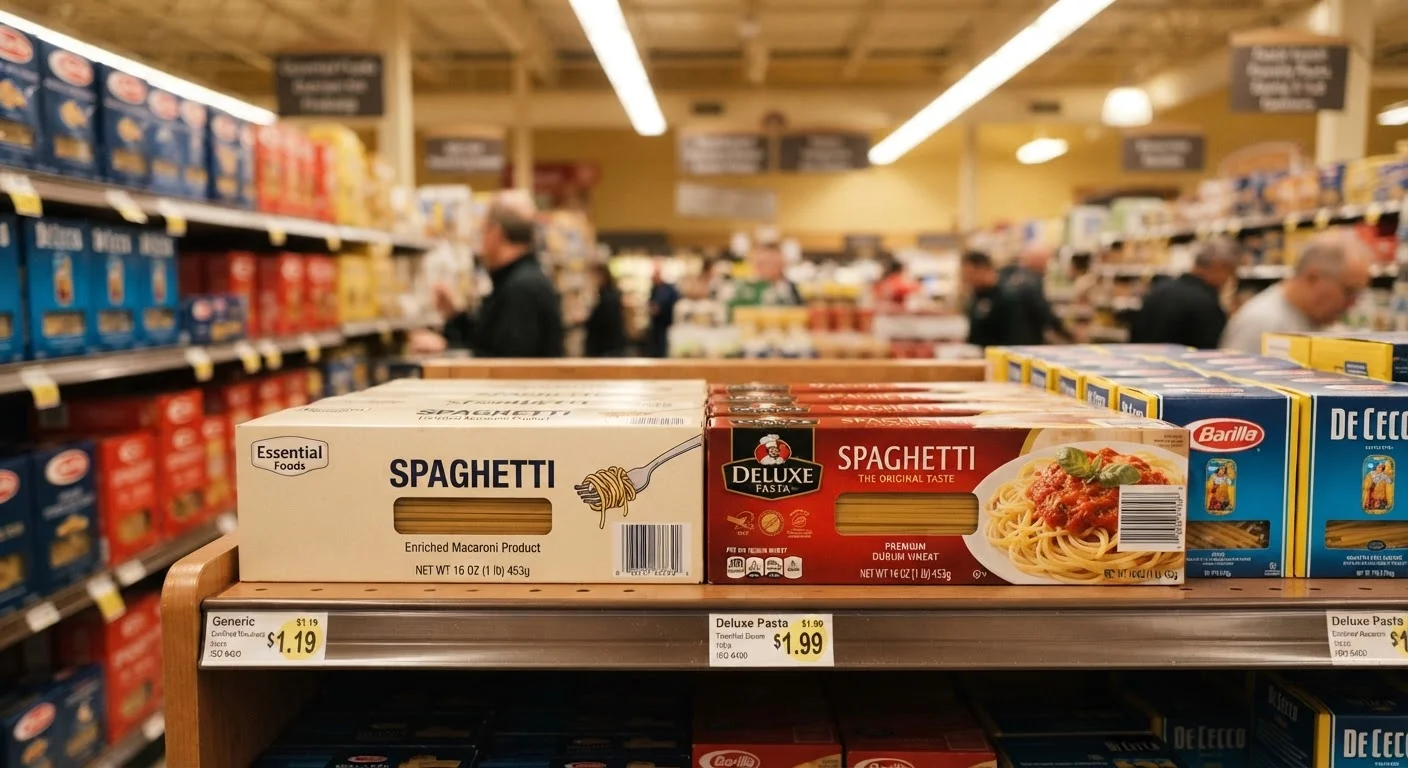
Store-brand products are another area where unit pricing makes the comparison concrete. When a store-brand and a name-brand version sit side by side, the unit price removes the packaging noise and shows the actual cost difference per ounce or per pound. Understanding when store brands are genuinely equivalent can help you decide when the swap is worth it.
Building unit price checks into a consistent shopping routine takes little extra time per trip. A week-by-week grocery routine that incorporates this habit alongside list-making and storage practices tends to produce more consistent savings than any single purchase decision.
Use your phone to speed up comparisons
If mental division feels slow in the store, the calculator on any smartphone handles it in seconds. Divide the total price by the net weight shown on the package to get the unit price when the shelf label is missing or hard to read. Over time, you will recognize the typical unit price range for your most-purchased items and spot outliers without calculating.